

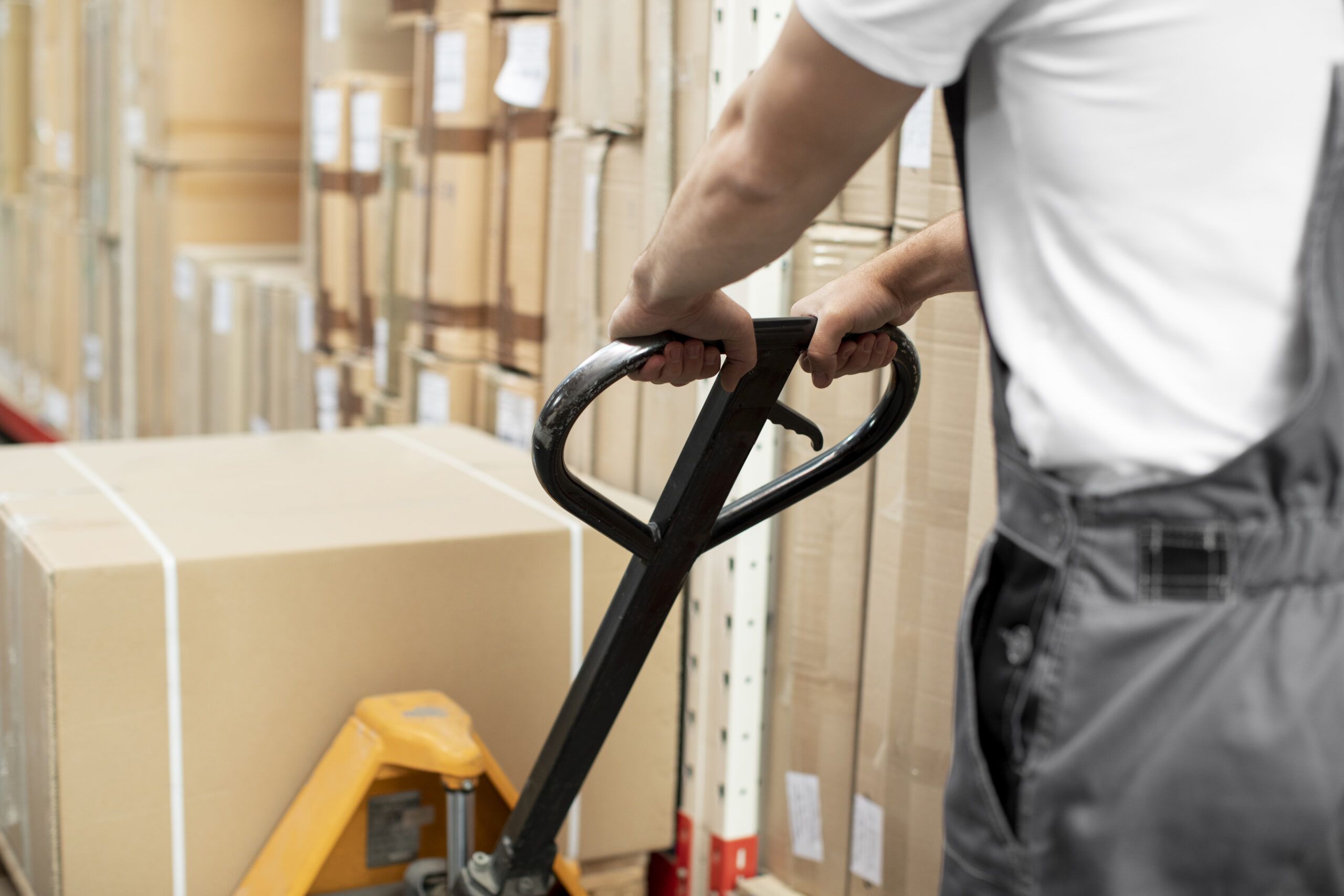
Cross-docking is a logistics strategy that transfers goods directly from inbound shipments to outbound transportation with minimal or no storage time. For importers and exporters operating through California, cross-docking supports faster transit, lower handling costs and more predictable delivery timelines.
As global trade volumes increase and supply chains become more time-sensitive, many businesses use cross-docking to streamline distribution while reducing reliance on long-term warehousing.
Cross-docking services help importers and exporters move cargo directly from inbound to outbound transportation with minimal storage time.
Benefits of Cross-Docking for Import and Export Operations
Cross-docking helps reduce storage-related costs by minimizing the time goods spend inside a warehouse. Instead of tying up capital in inventory held for extended periods, businesses can keep products moving through the supply chain and maintain greater cash flow flexibility.
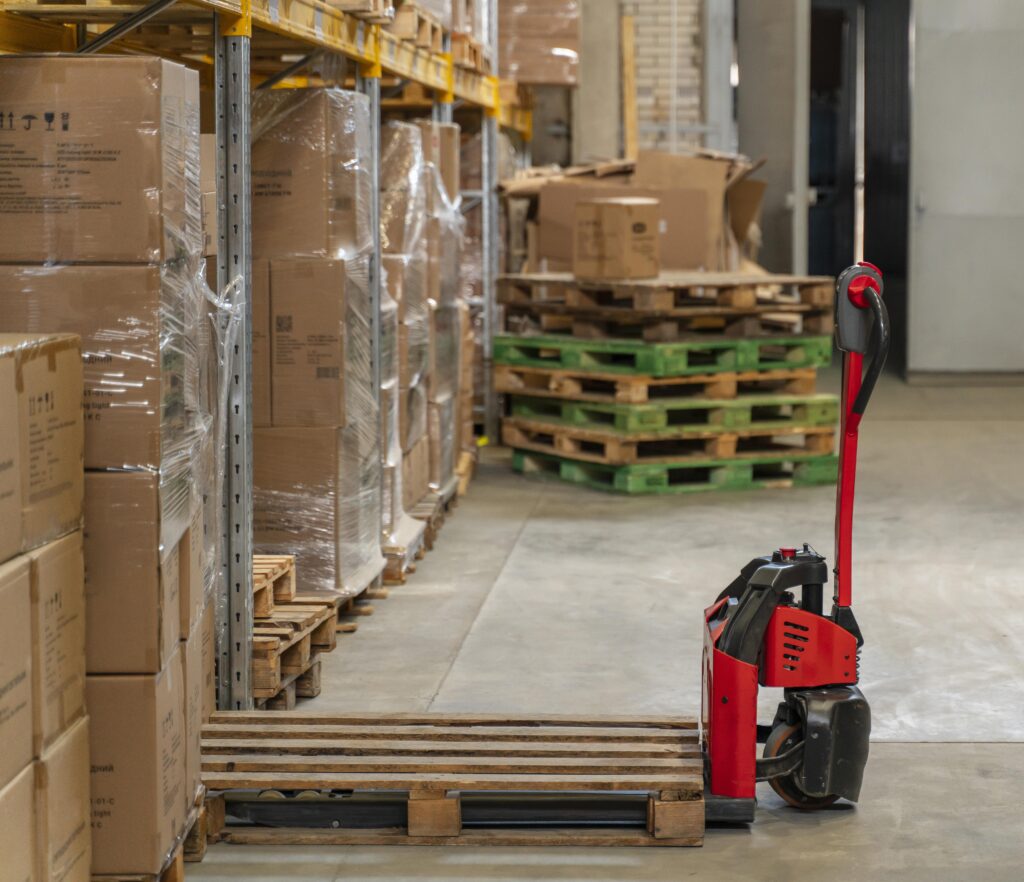
When cross-docking facilities operate near major ports and transportation corridors, shipments move through the network more efficiently. This approach shortens delivery windows and supports consistent service levels for downstream customers.
For temperature-sensitive or perishable goods, cross-docking limits unnecessary handling and storage exposure. Products such as fresh produce, food and beverages move quickly between transportation modes, helping maintain quality and shelf life.
Cross-docking also supports more efficient transportation planning. Fewer storage steps mean fewer internal movements, reduced fuel usage and lower overall energy consumption compared to traditional warehousing models. According to industry research, cross-docking plays a key role in reducing cargo dwell time at major ports.
California Port Infrastructure Supporting Cross-Docking
California’s major ports, including Los Angeles, Long Beach and Oakland, are designed to support high-volume cargo movement with minimal dwell time. Large staging areas, adjacent unloading and loading zones and direct access to highways and rail networks enable efficient cross-docking workflows.
These ports connect seamlessly to regional distribution hubs across Southern and Northern California. Locations such as Riverside benefit from proximity to both coastal ports and inland transportation routes, making them strategic points for cross-docking operations serving the western United States.
Regulatory Considerations for Cross-Docking in California
Cross-docking facilities in California operate within a strict regulatory environment. Environmental standards address truck emissions, vehicle idling limits, building efficiency and waste management. Compliance with California Air Resources Board (CARB) requirements is essential for facilities handling high truck volumes.
International shipments processed through cross-docking operations must also meet customs and documentation requirements. Accurate shipment tracking, complete paperwork and timely electronic submissions help prevent delays and ensure regulatory compliance.
Labor regulations in California add another layer of operational complexity. Cross-docking operations must follow state-specific rules related to worker classification, safety training and employment practices, particularly for port-adjacent transportation services.
Implementing Cross-Docking Without Disrupting Operations
Successful cross-docking implementations often begin with a limited scope. Businesses typically start by selecting products with predictable demand and consistent shipping patterns. This approach allows teams to refine processes while maintaining service continuity.
Clear communication across carriers, suppliers and distribution partners helps align schedules and avoid disruptions. Training staff on scanning, sorting and load planning—alongside California safety requirements—ensures operational readiness as volumes increase.
Flexible staffing and cross-trained teams allow facilities to adapt to fluctuations in inbound and outbound flows without compromising efficiency.
Technology Supporting Cross-Docking Efficiency
Modern logistics systems play a critical role in effective cross-docking operations. Real-time tracking platforms provide visibility into inbound shipments, outbound schedules and transportation status across multiple modes.
Warehouse management systems designed for cross-docking automate sorting and routing decisions. These systems match inbound goods to outbound transportation based on destination, priority and timing, reducing manual coordination and processing delays.
Advanced analytics and monitoring tools help facilities anticipate volume changes and identify potential bottlenecks. By learning from historical data, these systems support more accurate planning during seasonal peaks and unexpected demand shifts.
Final Takeaway
Cross-docking offers importers and exporters operating in California a practical way to improve speed, reduce handling costs and maintain product quality. When supported by the right infrastructure, compliance processes and technology, cross-docking becomes a reliable component of modern supply chains.
For businesses moving goods through California ports and distribution corridors, cross-docking can provide a competitive operational advantage when aligned with specific product flows and delivery requirements.
Our California-based facility supports cross-docking and transloading workflows that help importers and exporters move cargo efficiently.
Explore Cross-Docking Services