


Businesses moving physical goods face a constant trade-off between speed, flexibility and cost. Choosing between cross-docking and traditional warehousing directly impacts delivery timelines, inventory costs and operational stability. Understanding how these models work in real operations helps businesses design supply chains that scale without unnecessary overhead.
How Traditional Warehousing Works in Practice
Traditional warehousing focuses on storing inventory for defined periods of time. Products are received, inspected, stored, picked and shipped as orders arrive. Inventory may remain in storage for weeks or months depending on demand patterns, seasonality and replenishment cycles.
This model works well when businesses need buffer stock, require quality control before shipment or manage products with unpredictable demand. It also supports value-added services such as labeling, kitting, bundling or compliance prep before goods move outbound.
For many eCommerce brands, importers and manufacturers, traditional warehousing provides operational stability and control over inventory availability.
How Cross-Docking Reduces Storage and Transit Time
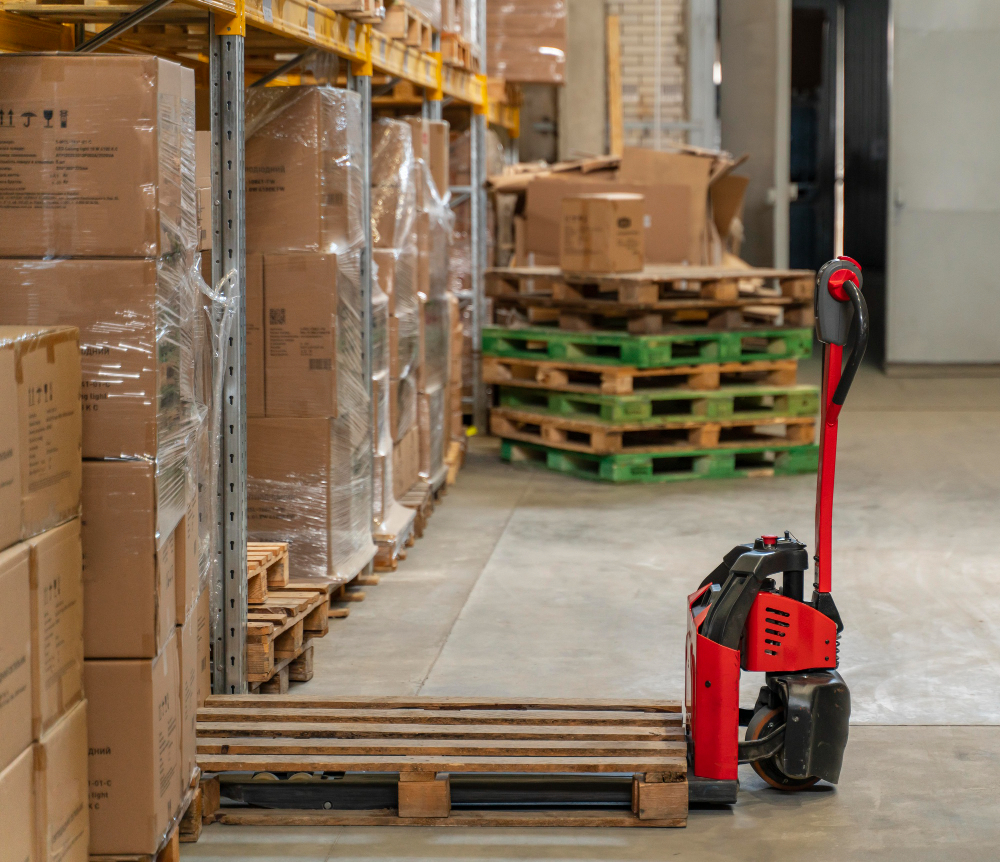
Cross-docking minimizes or eliminates long-term storage. Inbound shipments arrive at a facility, are checked, sorted and quickly transferred to outbound transportation. Goods typically remain on-site for hours rather than days.
This approach works best when products are pre-allocated to customers or retail destinations before arrival. By reducing storage time, businesses lower holding costs and accelerate delivery timelines. Cross-docking is especially effective for fast-moving SKUs, replenishment shipments and time-sensitive inventory.
In high-cost logistics regions, reducing dwell time can significantly improve cost efficiency without expanding warehouse space.
Cost Considerations Between the Two Models
Traditional warehousing requires more square footage, racking systems and inventory management processes. These costs provide flexibility but increase fixed expenses when inventory sits idle.
Cross-docking uses less storage space but requires precise scheduling, reliable transportation and coordinated inbound and outbound flows. Labor costs often decrease because products are handled fewer times.
In practice, cost efficiency depends on product velocity, demand predictability and transportation reliability. Businesses operating near major ports or distribution corridors often see strong financial benefits from cross-docking when volumes are consistent.
Speed and Service Level Impact
Traditional warehousing typically processes orders within one to two business days, depending on pick-and-pack workflows and order cutoffs. Cross-docking can move inventory through a facility the same day it arrives.
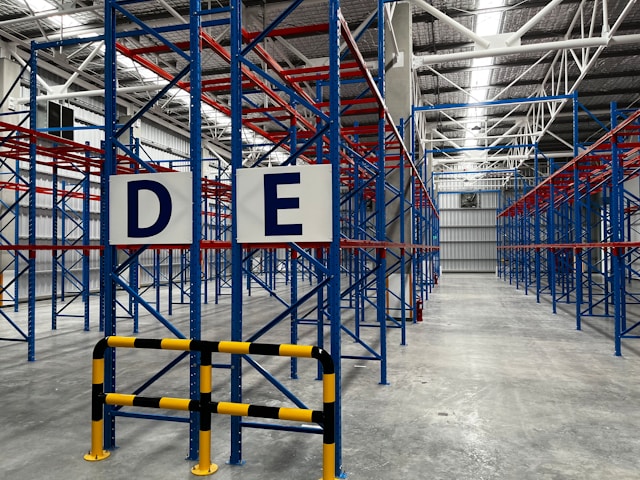
For businesses promising rapid delivery or managing replenishment for retail or marketplace channels, faster throughput improves service levels and reduces downstream delays. Products such as consumer electronics, promotional items and replenishment inventory benefit most from shorter handling cycles.
When Each Model Makes Sense
Traditional warehousing is best suited for:
- Seasonal inventory
- Products requiring inspection or prep
- SKUs with fluctuating or uncertain demand
- Inventory needing temperature control or special handling
Cross-docking works best for:
- High-volume, fast-moving products
- Pre-sold or pre-allocated inventory
- Replenishment and transfer shipments
- Time-sensitive or perishable goods
Many businesses combine both models. Fast-moving products flow through cross-docking, while slower or more complex inventory remains in traditional storage. This hybrid approach provides flexibility without locking operations into a single structure.
Designing a Flexible Distribution Strategy
The right distribution model depends on product characteristics, customer expectations and growth plans. Businesses that work with 3PL partners offering both cross-docking and traditional warehousing gain the ability to adapt as volumes, channels and demand patterns change.
Instead of restructuring logistics every time the business evolves, companies can route inventory through the most efficient path for each shipment, maintaining speed without sacrificing control.
A flexible warehousing strategy supports long-term scalability, cost control and consistent service — without forcing trade-offs that limit growth.