


Metal coils are critical materials for many industrial businesses, including manufacturing, construction and processing operations. Improper storage can lead to surface damage, corrosion, handling delays and safety risks, all of which affect production schedules and material quality.
Well-organized metal coil storage is not only about space management. It plays a direct role in protecting inventory, maintaining material integrity and ensuring smooth downstream operations.
Understanding Metal Coil Storage Requirements
Before selecting a storage solution, businesses should clearly understand the characteristics of their metal coils. Coil weight, diameter, width and material type all influence how storage should be organized. Steel, aluminum and other metals respond differently to environmental conditions and handling methods.
Storage environment is another key consideration. Exposure to moisture can cause corrosion, while dust and airborne contaminants may affect surface quality. Controlled conditions help preserve coil integrity, especially for materials intended for precision processing or long-term storage.
Access frequency also matters. Some coils are required daily for production, while others are held as reserve inventory. Storage layouts should reflect how often materials need to be retrieved, balancing accessibility with space efficiency.
Horizontal and Vertical Metal Coil Storage
Metal coils are commonly stored either horizontally or vertically, depending on space availability and operational needs.
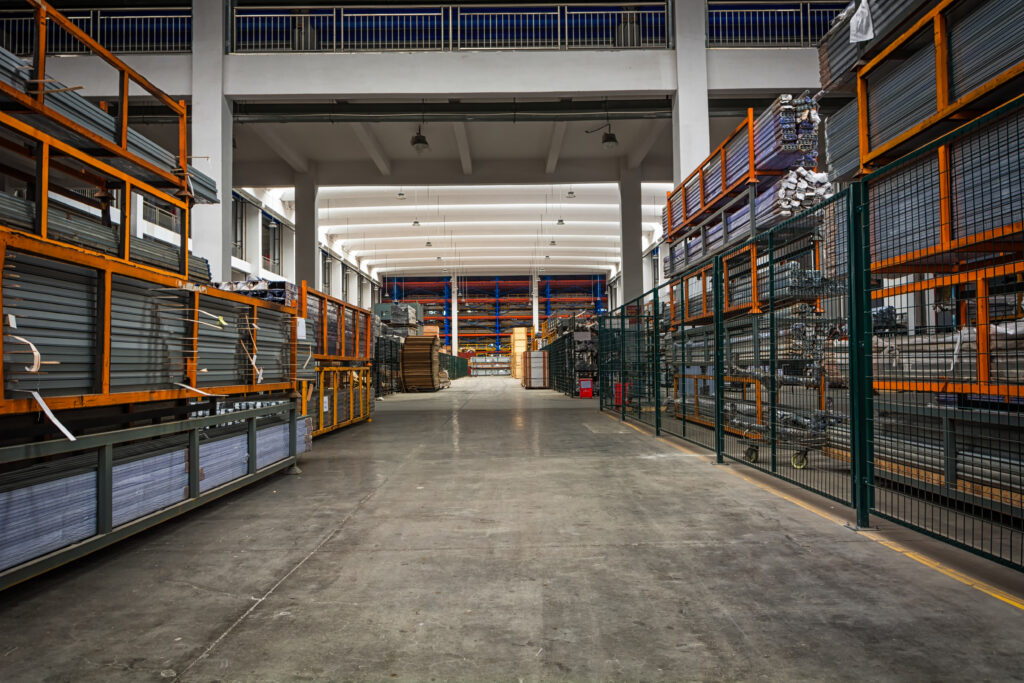
Horizontal storage involves placing coils flat on cradles or racks. This approach is often used for very heavy coils and allows stable handling with cranes or forklifts. It supports direct access and minimizes handling complexity, though it typically requires more floor space.
Vertical storage positions coils upright in dedicated racking systems. This method improves space utilization by increasing storage density and is often used when floor space is limited. Vertical storage may require specialized handling equipment and is generally applied to coils within specific size and weight ranges.
Both approaches are widely used in industrial environments and the right choice depends on coil specifications, handling frequency and available warehouse space.
Safe Handling and Storage Practices
Proper handling is essential to protect both materials and personnel. Using appropriate lifting equipment reduces the risk of coil deformation and workplace incidents. Regular equipment inspections help ensure consistent and safe operations.
Inventory visibility also plays an important role. Clear identification and tracking of coils supports faster retrieval and reduces handling errors. Regular condition checks help identify early signs of damage, corrosion or shifting, allowing corrective action before materials are affected.
Well-defined storage procedures and trained personnel contribute to safer operations and more predictable material flow.
The Role of Technology in Coil Storage Management
Many industrial businesses rely on digital systems to manage stored materials more effectively. Warehouse management platforms provide real-time visibility into inventory levels, storage locations and material movement.
For high-volume operations, automation may be used to improve consistency and reduce manual handling. These systems help streamline storage processes while maintaining accurate records, which is especially important for businesses managing large quantities of metal coils across multiple production lines.
Protecting Material Value Through Proper Storage
Effective metal coil storage supports operational efficiency, workplace safety and material quality. By using storage solutions aligned with coil characteristics and business needs, companies reduce the risk of damage, delays and unnecessary handling.
Well-planned storage allows industrial businesses to maintain consistent production flow and protect the value of their raw materials, even as volumes and demand change over time.
Metal Coil Storage: What to Consider