

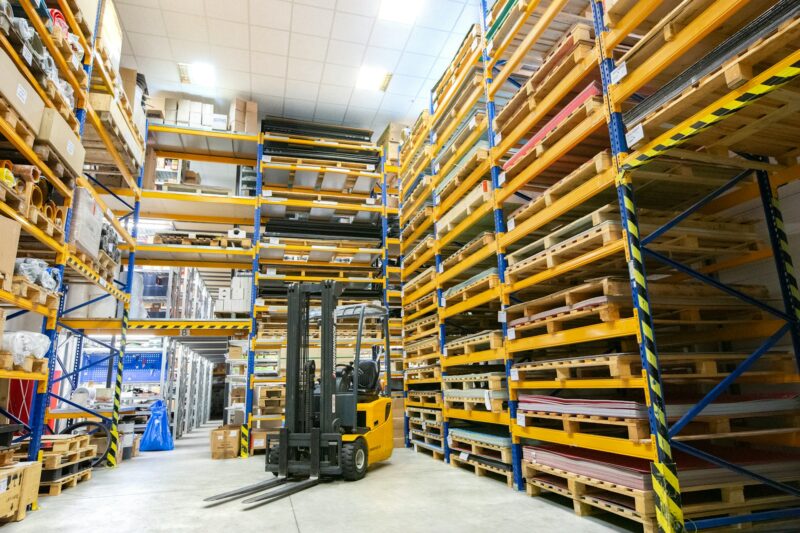
Freight switching involves transferring goods between different transportation modes, for example, moving shipments from railcars to trucks or from cargo vessels to trains. As a result, businesses use this approach to reduce logistics costs and improve delivery speed. Today, modern supply chains rely on transloading to connect transportation networks efficiently while maintaining cost control and delivery reliability.
Why Transloading Services Make Financial Sense
Transloading reduces shipping expenses by using rail transport for long-distance inland movement from port regions, followed by trucking for flexible regional and local delivery. At the same time, businesses switch to trucks for flexible local delivery. Companies benefit from rail efficiency for bulk movement while still reaching any destination through trucking.
In addition, transloading helps lower inventory costs by accelerating cargo movement and reducing storage time at terminals. Faster transit keeps less working capital tied up in goods sitting in warehouses. Consequently, businesses often achieve noticeable reductions in total logistics costs when they implement well-planned transloading strategies.
Our transloading services help businesses move freight efficiently between transportation modes, reduce congestion at ports and optimize supply chains across California.
When Your Business Benefits Most From Transloading
Your business benefits most from transloading when rail infrastructure is available within major port and inland transportation corridors, but direct truck access is limited or cost prohibitive. In these cases, freight transfers connect different transportation networks at their strongest operational points.
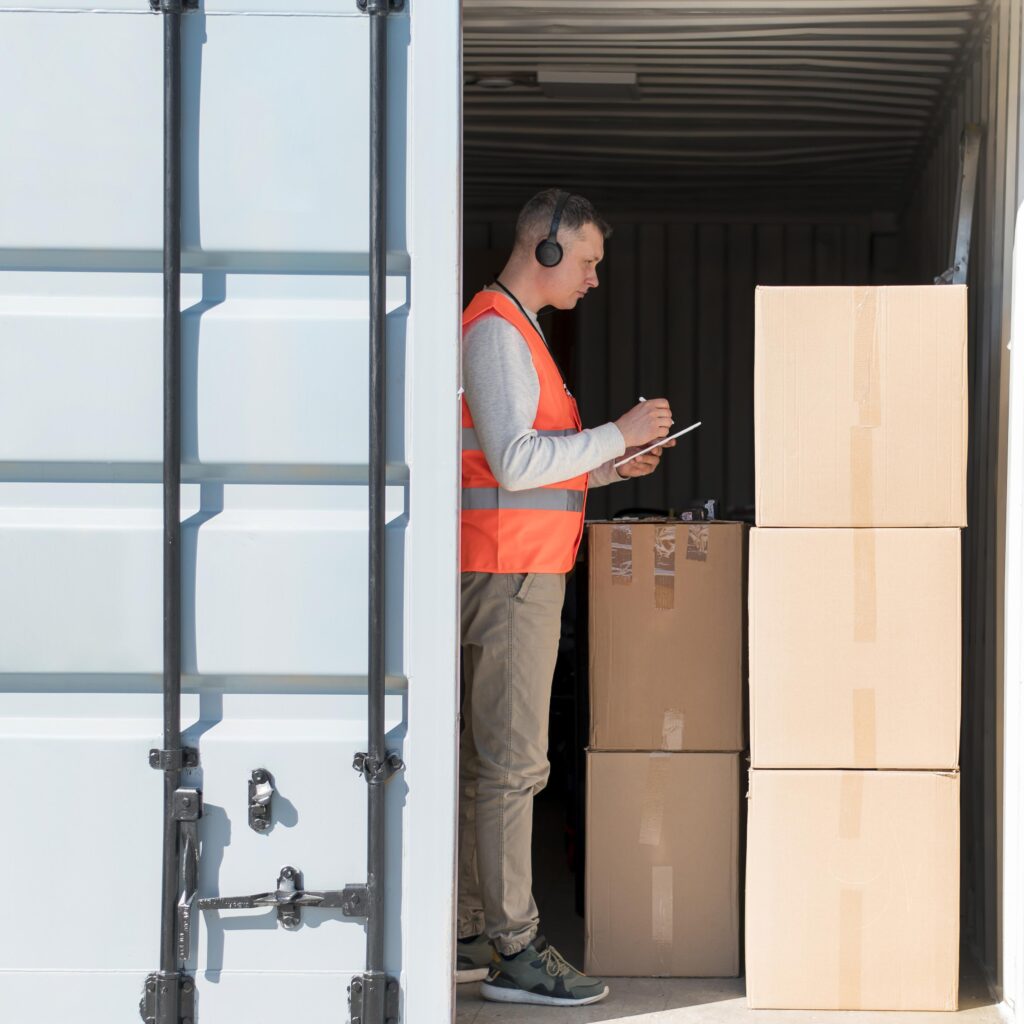
In addition, peak seasons and high-demand periods clearly demonstrate the value of freight switching. Holiday retail surges and agricultural harvests often create driver shortages and drive up trucking rates. Companies that use a combination of transportation modes keep shipments moving even when single-mode delivery faces capacity constraints.
Industries such as automotive manufacturing, agricultural distribution and construction materials rely heavily on freight switching services. These businesses ship bulk volumes over long distances using rail efficiency, while still requiring truck access to reach final delivery locations. Transloading enables them to balance cost control with reliable last-mile distribution.
By using professional transloading services, companies gain flexibility when managing import, export and regional distribution flows.
Selecting Your Freight Transfer Provider
When selecting a freight transfer provider, focus on companies located near rail terminals with the proper equipment to handle your specific shipment requirements. Facility proximity to rail lines and major road networks directly affects both transportation costs and delivery speed. In addition, proven experience with your type of freight, whether packaged goods, bulk materials or specialized items, demonstrates operational reliability and industry knowledge.
Equally important, advanced logistics systems and real-time tracking capabilities distinguish high-performing providers from standard operators. These tools improve visibility, coordination and decision-making throughout the transfer process.
Why Transloading Services Matter for Modern Logistics
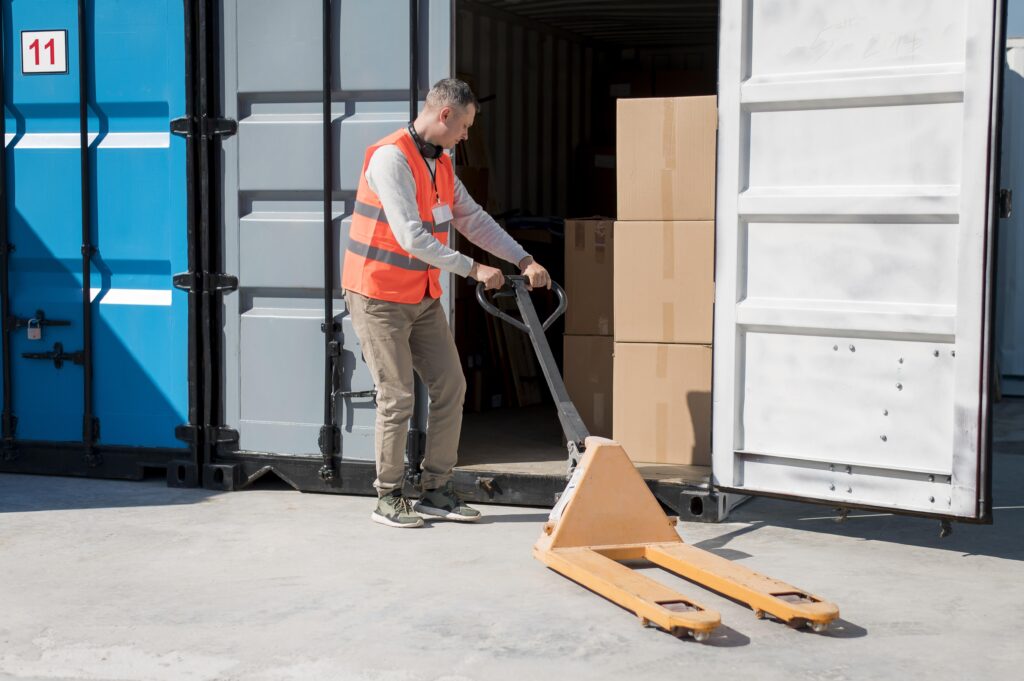
California ports rely heavily on transloading to move containers from large ocean vessels into domestic distribution flows, reducing truck congestion near port areas. As a result, cargo moves more efficiently from international suppliers into inland logistics networks across the United States.
In addition, intermodal logistics networks use transloading to connect ocean shipping, rail transport and trucking at different stages of the supply chain. Rail is typically used for long-distance inland movement from port regions, while trucking handles flexible regional and last-mile delivery. This separation allows each transportation mode to operate where it delivers the strongest efficiency.
E-commerce and fulfillment operations benefit from transloading by receiving cargo at strategically located inland warehouses that focus on storage order processing and outbound distribution. By staging inventory closer to end customers, businesses reduce transit times, control shipping costs and maintain consistent service levels without requiring direct rail access at the fulfillment facility.
According to industry insights from Inbound Logistics, transloading plays a key role in modern freight optimization and port operations.
Implementing Freight Switching in Your Business
Start by reviewing your current transportation setup to identify routes where a combination of shipping modes could reduce costs or improve delivery timing. In practice, this means comparing existing truck-only or rail-based routes with mixed-mode options that include freight transfers at strategic points in the supply chain.
Once you identify viable opportunities, work with experienced logistics partners who specialize in transloading operations and consistently deliver reliable results. With the right providers in place, businesses can implement freight switching in a controlled way that improves efficiency while maintaining predictable service levels.
Well-organized transloading services allow businesses to scale faster while keeping transportation costs predictable.
Considering transloading as part of your logistics strategy?
Contact us to review your current routes and identify where freight switching may improve efficiency.