


For eCommerce brands and businesses storing inventory in third-party warehouses, security is not just an operational detail. It directly affects inventory accuracy, order fulfillment, customer trust and financial performance. Product loss, shrinkage or unauthorized access can quickly turn into delayed orders, stock discrepancies and unexpected costs.
Strong warehouse security strategies help businesses protect inventory, maintain reliable fulfillment and reduce risk across the supply chain.
Why Warehouse Security Matters for eCommerce Businesses
For online sellers, every missing unit impacts more than stock levels. Lost products lead to overselling, canceled orders, customer complaints and potential marketplace penalties. Inconsistent inventory data also complicates forecasting and replenishment planning.
Secure warehouse environments help ensure that inventory counts remain accurate and that products move through storage, picking and shipping without unnecessary loss or disruption. This reliability supports consistent customer experience and predictable operations.
Controlled Access Reduces Inventory Risk
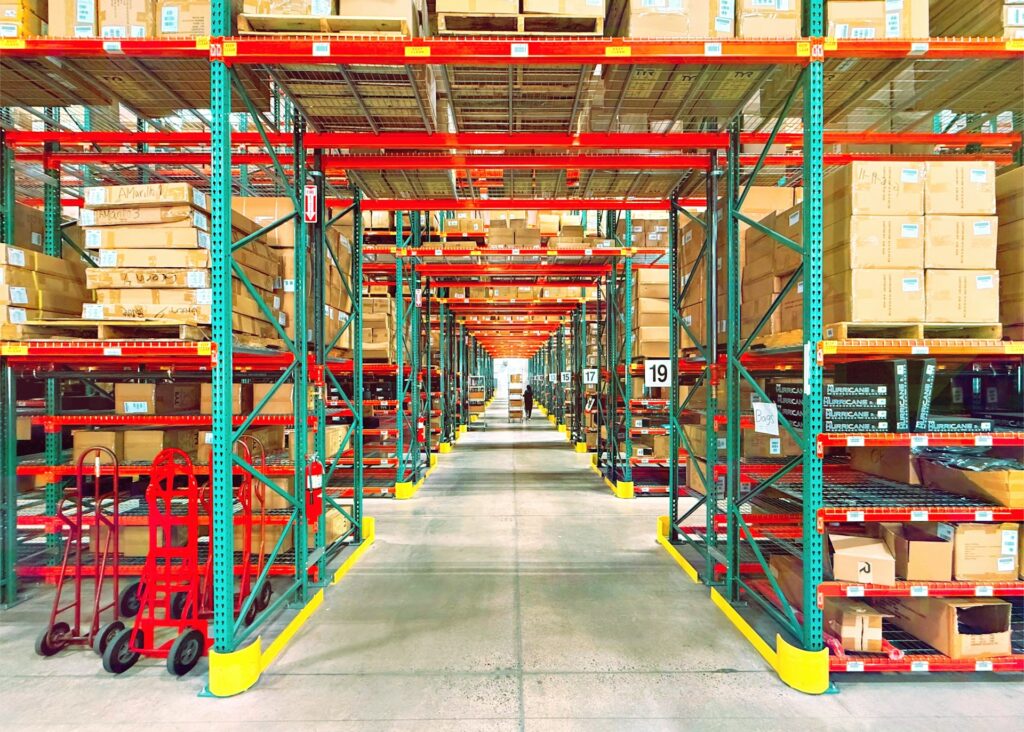
Limiting access within a warehouse is one of the most effective ways to reduce product loss. When access is restricted based on role and responsibility, the risk of internal errors or unauthorized handling is significantly lower.
For clients, this means fewer unexplained inventory discrepancies and clearer accountability. Access logs provide traceability, making it easier to investigate issues quickly and prevent repeat losses. Controlled access zones are especially important for high-value or fast-moving products.
Surveillance and Monitoring Improve Transparency
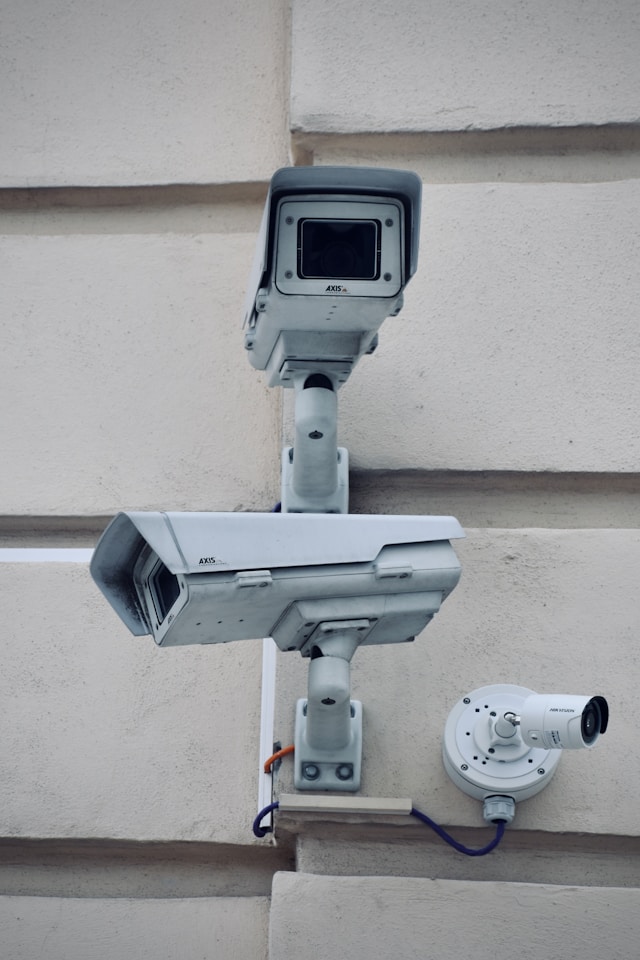
Video surveillance plays a key role in protecting stored goods. Cameras placed in receiving areas, storage aisles and shipping zones help monitor inventory movement and discourage improper handling.
For businesses using third-party warehousing, surveillance adds an extra layer of transparency. Recorded activity supports faster issue resolution if discrepancies arise and reinforces confidence that inventory is being handled correctly throughout the fulfillment process.
Inventory Control as a Security Tool
Accurate inventory management is closely tied to warehouse security. Regular cycle counts, dock verification and systematic tracking help identify discrepancies early before they affect customer orders.
Warehouse management systems support this process by recording each inventory movement from receiving to shipping. For eCommerce businesses, this reduces the risk of phantom stock, shipment errors and fulfillment delays that can harm seller metrics and customer satisfaction.
Trained Staff Reduce Operational Errors
Security is also about people and processes. Well-trained warehouse teams follow consistent procedures for handling, storage and reporting irregularities. This reduces accidental loss and improves overall accuracy.
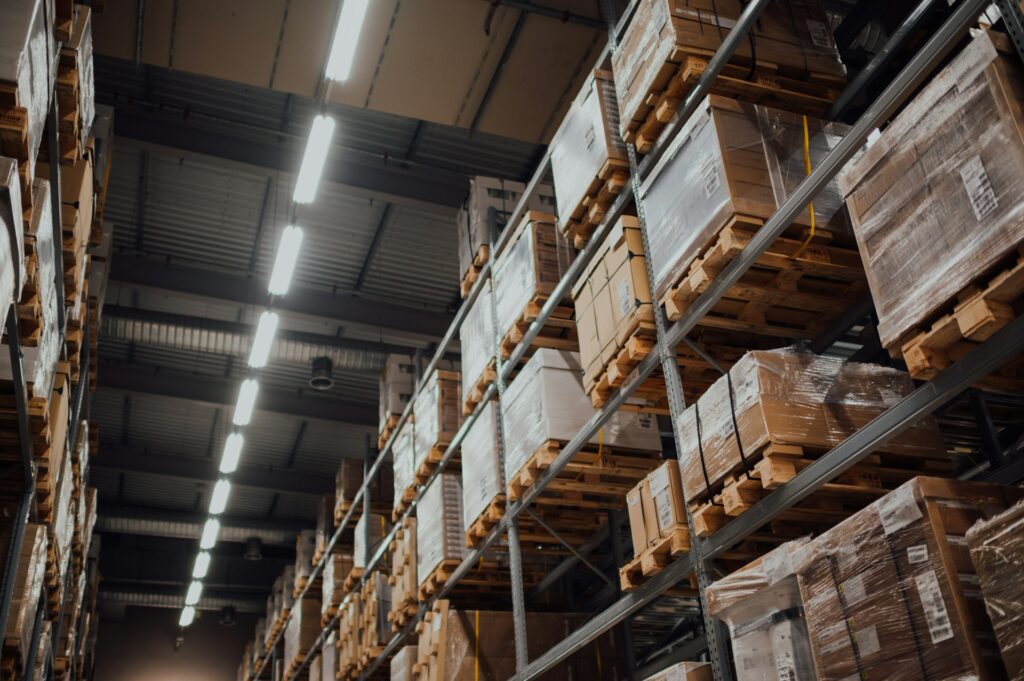
Clear reporting channels allow issues to be flagged early, protecting client inventory before small problems turn into larger losses. For businesses relying on outsourced warehousing, this operational discipline translates into more stable and predictable fulfillment outcomes.
Lighting and Facility Design Support Safer Operations
Proper lighting inside and around warehouse facilities improves visibility and reduces risk. Well-lit environments discourage unauthorized activity and help teams work more accurately, reducing picking and handling mistakes.
Motion-activated lighting adds both security and efficiency, supporting safer operations without unnecessary energy use. For clients, this contributes to a controlled and well-maintained storage environment.
How Strong Warehouse Security Benefits Your Business
Effective warehouse security protects inventory value, supports accurate order fulfillment and reduces operational risk. For eCommerce businesses, this means fewer disruptions, better inventory visibility and stronger customer trust.
By choosing storage and fulfillment partners with robust security practices, businesses can focus on growth while minimizing losses and fulfillment-related issues.
See How Secure Warehousing Supports Reliable Fulfillment