

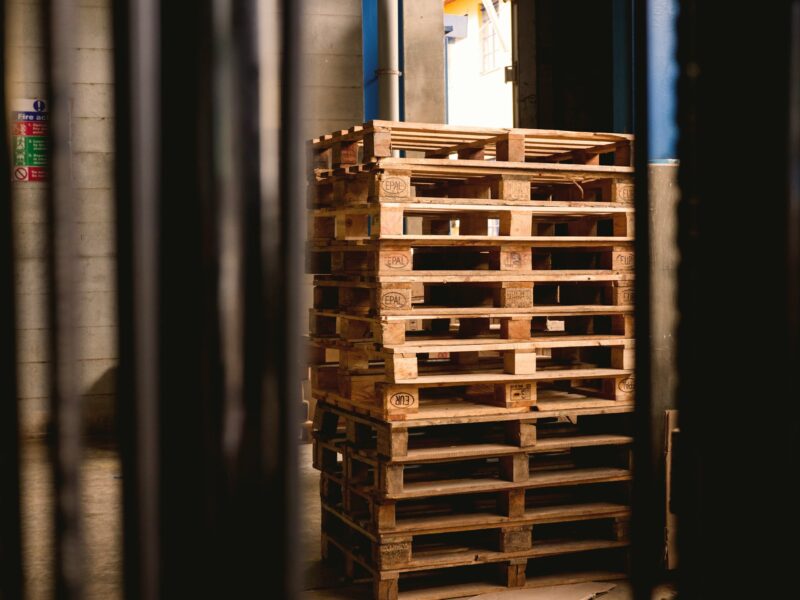
Amazon FBA storage fees continue to increase, placing consistent pressure on seller margins. For many Amazon businesses, storage has become one of the most significant ongoing operational costs. Leveraging external warehousing services allows sellers to regain cost control while maintaining reliable fulfillment performance.
FBA Storage Fees and Their Impact on Profitability
Amazon FBA storage fees typically range from $0.78 to $4.28 per cubic foot, depending on item size and season. These recurring monthly charges directly affect profitability, especially for sellers carrying large or slow-moving inventories.
During peak season from October through December, storage fees increase sharply. Standard-size inventory that costs $0.78 per cubic foot during most of the year rises to approximately $2.40 per cubic foot. This increase often coincides with the period when sellers need to hold more inventory to meet demand.
Long-term storage fees add another layer of cost. Inventory stored longer than 181 days incurs additional charges, while items stored over 365 days can cost $6.90 per cubic foot, making inefficient inventory management financially risky.
Why Third-Party Warehouses Offer a Cost Advantage
Third-party logistics providers typically offer storage rates 30–50% lower than Amazon FBA. Beyond lower pricing, external warehouses provide flexible storage terms and value-added services such as inspections, labeling, kitting and custom packaging.
Unlike FBA, external warehouses do not impose strict storage limits or aged inventory penalties. Sellers maintain greater control over stock levels and movement while still operating at a professional fulfillment standard.
Using Amazon Warehousing & Distribution Strategically
Amazon Warehousing & Distribution (AWD) offers an additional layer of flexibility for sellers managing high inventory volumes. AWD allows sellers to store bulk inventory at lower base rates while replenishing FBA automatically based on sales velocity.
This structure helps sellers avoid peak-season FBA storage fees while maintaining Prime eligibility. AWD works best when combined with off-Amazon storage to create a multi-layer inventory strategy.
Inventory Distribution as a Cost-Control Strategy
Splitting inventory across FBA and external warehouses allows sellers to optimize both cost and speed. Fast-moving SKUs remain in FBA for immediate fulfillment, while slower-moving or reserve inventory stays in lower-cost facilities.

This approach reduces exposure to aged inventory fees and allows sellers to scale inventory levels seasonally without committing to expensive FBA storage year-round. Volume-based pricing from third-party warehouses further reduces per-unit storage costs.
Location Matters for Replenishment Efficiency
Warehouses located near Amazon fulfillment centers shorten replenishment cycles and reduce inbound transportation costs. Strategic placement can lower transfer expenses by up to 30% while improving restock speed.
For international sellers, regional warehousing also reduces customs delays and consolidates inbound shipments, improving overall supply chain efficiency.
Operational Perspective
Using warehousing services alongside FBA is no longer an edge case, it has become a standard cost-control strategy for experienced Amazon sellers. By combining external storage, AWD and selective FBA placement, sellers gain flexibility, predictability and healthier margins without compromising delivery performance.
Looking to reduce FBA storage fees without slowing fulfillment?
ASTORAGE helps Amazon sellers structure flexible warehousing and replenishment strategies that lower storage costs while keeping inventory ready to ship.