

Peak season places exceptional pressure on warehousing and inventory operations. During Q4, order volumes can increase multiple times compared to regular months and even small planning gaps can lead to delays, stockouts or fulfillment errors. Businesses that prepare in advance gain a clear operational advantage and protect both margins and customer experience.
Early Planning Sets the Foundation for Peak Performance
Successful peak season warehousing begins months before demand rises. Historical sales data provides a reliable foundation for forecasting inventory needs, identifying fast moving SKUs and anticipating demand spikes by category and region. Reviewing previous Q4 performance helps determine realistic stock levels and prevents overcommitting capital to slow moving inventory.
Coordination between procurement, warehousing and fulfillment teams is equally important. When inventory purchasing aligns with available storage capacity and labor planning, operations remain stable even as order volumes increase. Clear internal timelines and shared forecasts reduce last minute adjustments and improve overall efficiency.
Real Time Inventory Visibility Reduces Risk
Accurate inventory tracking becomes critical during peak periods. Real time inventory systems allow teams to monitor stock levels continuously, identify aging inventory and react quickly to unexpected demand changes. Automated replenishment alerts help maintain availability without creating excess inventory that increases storage costs.
Advanced warehouse systems also improve picking efficiency by optimizing item locations and guiding staff through the fastest routes. This visibility supports better decision making and reduces errors when order volume is at its highest.
Workforce Preparation Supports Consistent Throughput

Staffing challenges often define peak season performance. Hiring and training temporary workers early ensures they are fully operational before demand peaks. Cross training existing staff across receiving, picking, packing and quality control creates flexibility and minimizes disruptions caused by absences or volume surges.
Balanced shift planning and structured handovers help maintain productivity throughout the day. Placing experienced team members across all shifts improves consistency and provides on the floor support during high pressure periods.
Warehouse Layout Optimization Improves Speed and Accuracy
An optimized warehouse layout directly impacts order turnaround time during peak season. High velocity SKUs should be positioned close to packing stations to reduce travel time and congestion. Seasonal products benefit from dedicated zones that simplify picking and reduce the risk of mispicks.
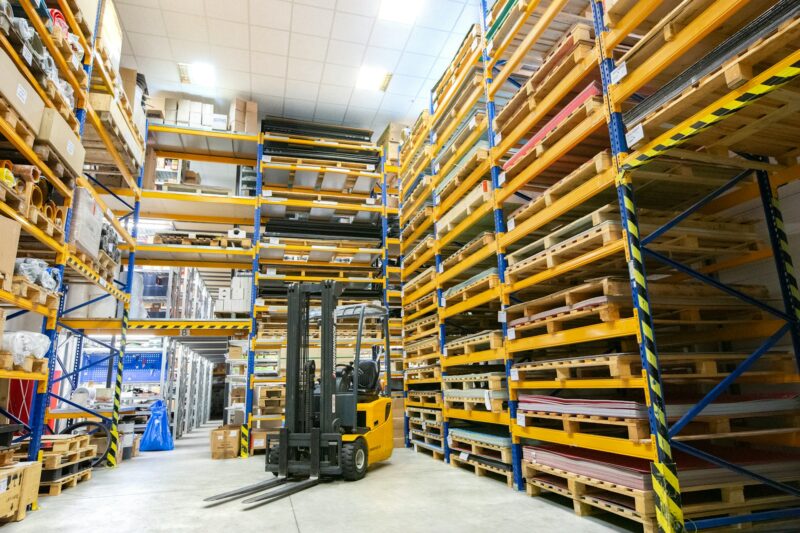
Vertical storage solutions and modular shelving allow warehouses to increase capacity without expanding footprint. Clear aisles, defined workflows and proper equipment usage contribute to safer and faster operations during busy periods.
Supply Chain Contingency Planning Prevents Disruptions
Peak season exposes vulnerabilities across the supply chain. Diversifying suppliers and maintaining open communication helps identify potential delays early. Backup transportation options and alternative sourcing plans reduce reliance on single points of failure.

Strategic safety stock levels should reflect lead times, supplier reliability and forecast variability. Regular reviews allow teams to adjust buffers as conditions change, ensuring continuity without unnecessary overstock.
Technology Integration Enables Scalable Operations
Modern warehouse management systems serve as central control points during peak season. They consolidate inventory data, labor metrics and order flow into a single view that supports faster decisions. Automation reduces manual tasks, improves accuracy and allows teams to focus on exception handling rather than routine processes.
Predictive tools help anticipate demand shifts, manage reorder points and maintain service levels even as order volumes fluctuate. Integrated systems keep all departments aligned and reduce communication gaps under pressure.
Planning for Peak Season Success
Peak season success depends on preparation, visibility and flexibility. Businesses that invest in accurate forecasting, scalable staffing, optimized layouts and reliable technology position themselves to handle high volumes without sacrificing accuracy or customer satisfaction. With the right warehousing and inventory strategy in place, peak season becomes a growth opportunity rather than an operational risk.
ASTORAGE helps eCommerce and retail businesses plan inventory, scale storage and maintain fast fulfillment during high-demand periods.