

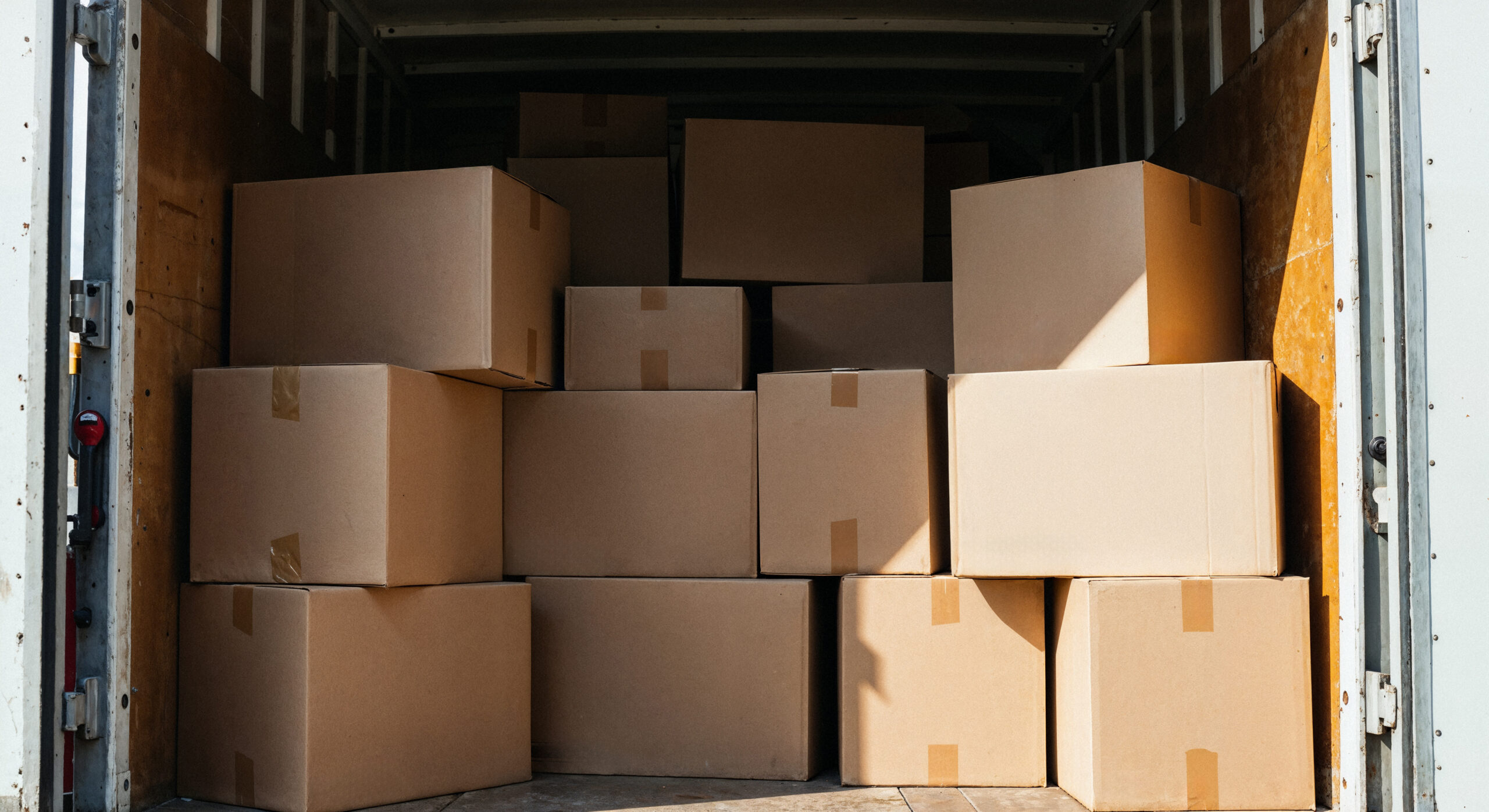
Modern supply chains depend on predictable costs, reliable transit times and reduced operational complexity. Cargo consolidation is a structured shipping approach that helps businesses move goods more efficiently by combining multiple shipments into a single, optimized load.
By reducing fragmentation in transportation, consolidation supports better cost control, improved handling and smoother logistics coordination.
Lower Shipping Costs Through Consolidation
One of the most direct benefits of cargo consolidation is cost efficiency. Shipping multiple smaller loads separately often results in higher per-unit transportation and handling costs.
When shipments are consolidated:
- This approach uses space in trucks or containers more efficiently
- Fuel costs are distributed across a larger volume of goods
- Handling and accessorial fees are reduced
- Carriers are more likely to offer competitive rates for higher-volume loads
Businesses can reinvest these savings into inventory growth, marketing initiatives or operational improvements.
Improved Transit Efficiency and Predictability
Cargo consolidation does not inherently slow down delivery. In many cases, it improves transit efficiency by reducing the number of handoffs and intermediate processing points.
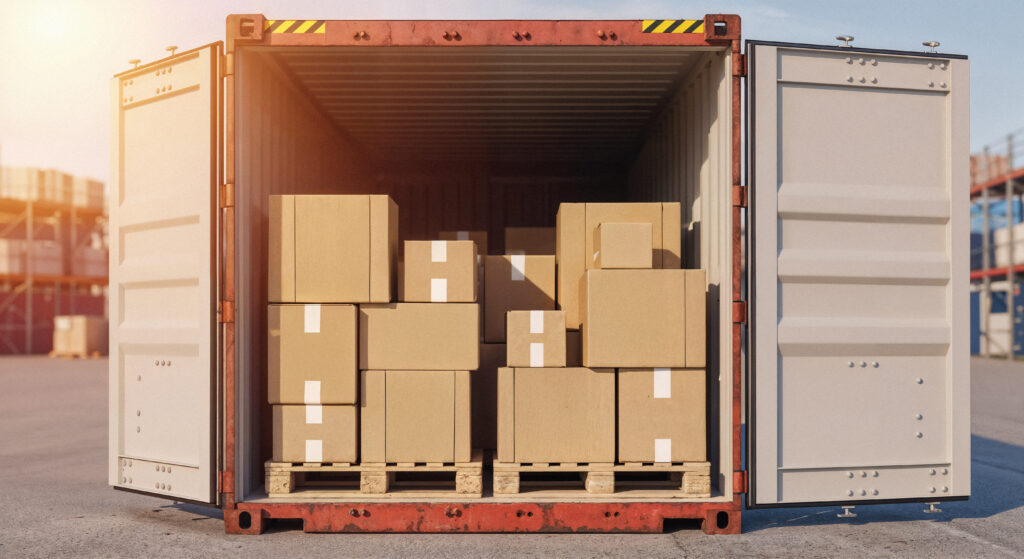
Consolidated freight often moves on more direct routes, avoiding complex sorting networks. Fewer transfers mean less idle time at terminals and a lower risk of delays, which is especially valuable for time-sensitive shipments.
Reduced Risk of Damage During Transport
Consolidating freight into pallets or full container loads reduces handling compared to individual packages. Moreover, fewer touchpoints reduce the likelihood of damage caused by drops, compression or improper handling.
Experienced logistics teams pack and secure consolidated shipments using standardized methods. This structured approach helps protect goods throughout transit and supports consistent delivery quality.
Simplified Logistics Management
Managing multiple small shipments can increase administrative workload and tracking complexity. Cargo consolidation simplifies logistics by reducing the number of individual movements teams must monitor.
Benefits include:
- Fewer shipping documents and bills of lading
- Centralized tracking and communication
- Clearer accountability across carriers and partners
With fewer shipments to manage, logistics teams can focus on planning, optimization and service quality rather than manual coordination.
Supporting Environmentally Responsible Shipping
Cargo consolidation also supports sustainability goals. Maximizing space utilization reduces the number of vehicles required to move the same volume of goods.
This results in:
- Reduced fuel consumption
- Lower emissions per shipped unit
- More efficient use of transportation resources
For businesses focused on responsible operations, consolidation is a practical way to align logistics efficiency with environmental considerations.
Why Cargo Consolidation Supports Scalable Shipping
Cargo consolidation improves shipping efficiency by aligning cost control, transit reliability, handling quality and operational simplicity. As shipping volumes grow, this approach becomes increasingly valuable for maintaining consistency and predictability across the supply chain.
Consolidation Solutions Built for Your Supply Chain
If your business is managing frequent shipments or growing distribution volume, cargo consolidation can help streamline operations and reduce transportation costs.
We support consolidated shipping strategies that improve efficiency, protect goods in transit and simplify logistics coordination.
Contact us to discuss a cargo consolidation solution aligned with your shipping needs.