

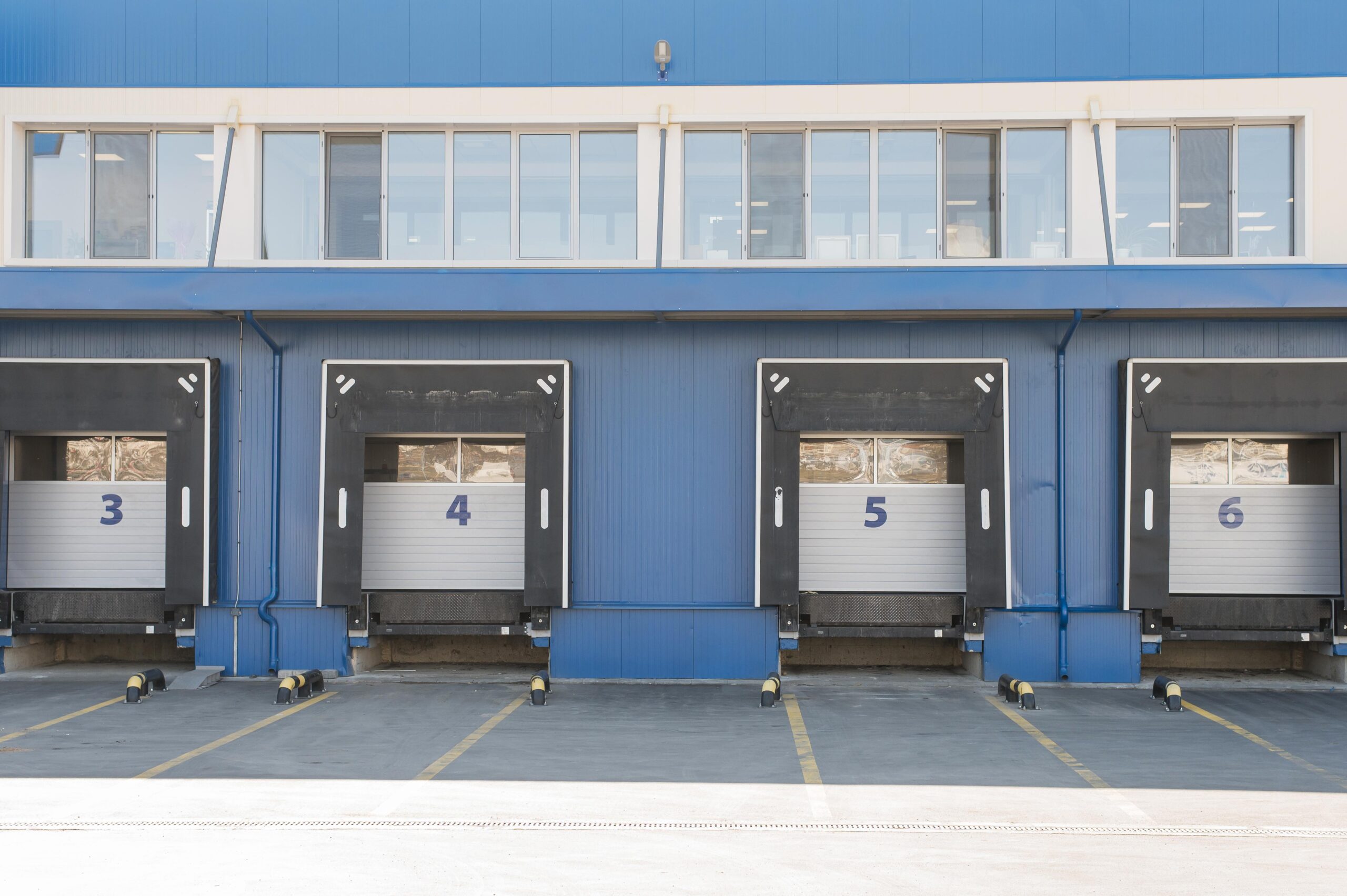
Riverside, CA is one of the most practical inland transloading locations in Southern California.
Key advantages of operating in Riverside:
- Close proximity to the Ports of Los Angeles and Long Beach
- Direct access to I-10, I-15, SR-60 and I-215
- Rail connectivity via Union Pacific and BNSF
- More yard space for container staging and transloading
- Cost-efficient labor and facility structure
Riverside has become a major logistics hub in Southern California, supporting container operations with more predictable workflows and scalable capacity. The region connects the Ports of Los Angeles and Long Beach with inland markets through a reliable network of highways and rail lines. For many operators, this positioning simplifies container movement and supports more efficient inland distribution compared to port-adjacent locations.
Why Riverside CA Is Ideal for Inland Transloading
Riverside is located approximately 60 miles east of the Ports of Los Angeles and Long Beach, close enough to support same-day inland container moves while avoiding the congestion typical of port-adjacent zones. Under normal conditions, the drive takes about 90 minutes, allowing trucks to remain within quick reach of the terminals while maintaining efficient turn times.
From Riverside, outbound freight moves efficiently toward Phoenix, Las Vegas, Salt Lake City and other major Western markets via I-10, I-15 and I-215. These corridors place goods within a one-day drive of more than 30 million consumers across multiple states.
Cost Savings Through an Efficient Operations Model
Warehouse facilities in Riverside often offer a more favorable cost structure compared to dense port-area markets such as Commerce or Carson, with additional yard space available for container staging. This space supports smoother workflows while still allowing same-day port runs.
Transloading cargo from ocean containers into domestic trailers can unlock operational efficiencies related to highway weight limits. By making this transition inland, operators can better utilize legal weight limits on domestic loads, reducing the number of trips required for heavier shipments.
Labor costs in Riverside are often lower than in port-adjacent areas, while the local workforce maintains strong experience in container and warehouse operations. Many teams combine inbound shipments from multiple customers into full outbound loads locally, supporting more efficient truck utilization and predictable delivery schedules.
Robust Infrastructure Supporting Logistics Operations
Riverside is served by both Union Pacific and BNSF, providing rail options when long-distance trucking becomes less efficient. Rail connectivity supports large-volume freight movement and adds flexibility for inland distribution strategies.
The region features a wide range of logistics facilities, from straightforward warehouse buildings to advanced distribution centers equipped with loading docks, staging areas and conveyor systems designed for container transfers and cross-dock operations.
A Practical Regulatory Environment for Container Operations
Riverside County offers a regulatory environment that is often more predictable for logistics and distribution operations than dense port-adjacent markets. Permitting timelines for warehouse or yard expansion are typically shorter, supporting operational growth.
Local agencies and business groups are familiar with distribution center requirements and provide practical guidance related to utilities, access roads and workforce development. Regional programs also support job creation and specialized logistics training.
Looking Forward With Riverside Logistics
Riverside continues to strengthen its role as an inland transloading and container transfer hub for California operators. Its location, infrastructure and operating environment make it a practical middle ground between major ports and inland customers for companies focused on efficient and scalable freight movement.
Looking for a reliable transloading or container transfer partner in Southern California?
Our Riverside facility supports flexible drayage, transloading, short term storage and inland distribution for growing importers and eCommerce brands.
Get in touch to discuss your volumes, timelines and operational requirements.
Our team will help you define the most efficient setup.