


Cross-docking is an effective logistics model for eCommerce brands and suppliers shipping inventory to Walmart. Instead of storing goods for days or weeks, products move quickly through a facility and continue directly to Walmart distribution centers. This approach reduces handling, lowers storage costs, and shortens delivery timelines.
For businesses working with Walmart, cross-docking helps keep inventory flowing without building excess stock or slowing down replenishment cycles.
What Cross-Docking Means in the Walmart Supply Chain
In a cross-docking setup, inbound shipments arrive at a facility, and teams check, sort, and prepare them for outbound delivery with minimal or no long-term storage. Goods typically move from receiving to outbound docks within the same day.
For Walmart-bound inventory, cross-docking acts as a transition point between suppliers and Walmart distribution centers. Products arrive from manufacturers or import channels, and the team consolidates or reconfigures them as needed before shipping them according to Walmart’s routing and scheduling requirements.
This model supports faster turnover and aligns inventory movement with Walmart’s strict inbound delivery windows.
How Cross-Docking Supports Walmart Shipments
Cross-docking is especially useful when Walmart requires inventory to arrive pre-sorted, labeled, and scheduled for specific distribution centers. Instead of shipping directly from multiple suppliers, businesses route products through a cross-dock facility that organizes shipments into Walmart-ready loads.
This process allows businesses to:
- consolidate multiple inbound shipments into fewer outbound loads
- meet Walmart labeling and routing requirements
- reduce detention and appointment issues
- keep inventory moving without holding excess stock
By preparing shipments in advance, suppliers reduce the risk of rejections or delays at Walmart facilities.
Benefits for eCommerce Brands and Suppliers
Using cross-docking for Walmart distribution lowers overall logistics costs by minimizing storage and handling. Inventory does not sit idle, which improves cash flow and reduces the need for large warehouse footprints.

Faster movement through the supply chain helps maintain in-stock levels, especially for high-volume or fast-moving products. This is critical for replenishment programs and time-sensitive promotions.
Cross-docking also provides flexibility. Businesses can adapt shipment volumes quickly based on demand without reworking long-term storage plans.
Operational Steps in a Cross-Docking Workflow
A typical cross-docking flow for Walmart shipments includes receiving inbound freight, verifying quantities and packaging, applying required labels, and staging inventory for outbound loading.
Products are grouped by Walmart distribution center or route, allowing outbound trucks to depart on schedule. Because timing is critical, cross-docking operations rely on precise coordination between carriers, suppliers, and Walmart’s inbound systems.
Accurate documentation and advance shipment notices are essential to keep the process moving smoothly.
Technology and Coordination Requirements
Cross-docking depends on real-time visibility. Tracking systems monitor inbound arrivals, outbound departures, and shipment status throughout the process.
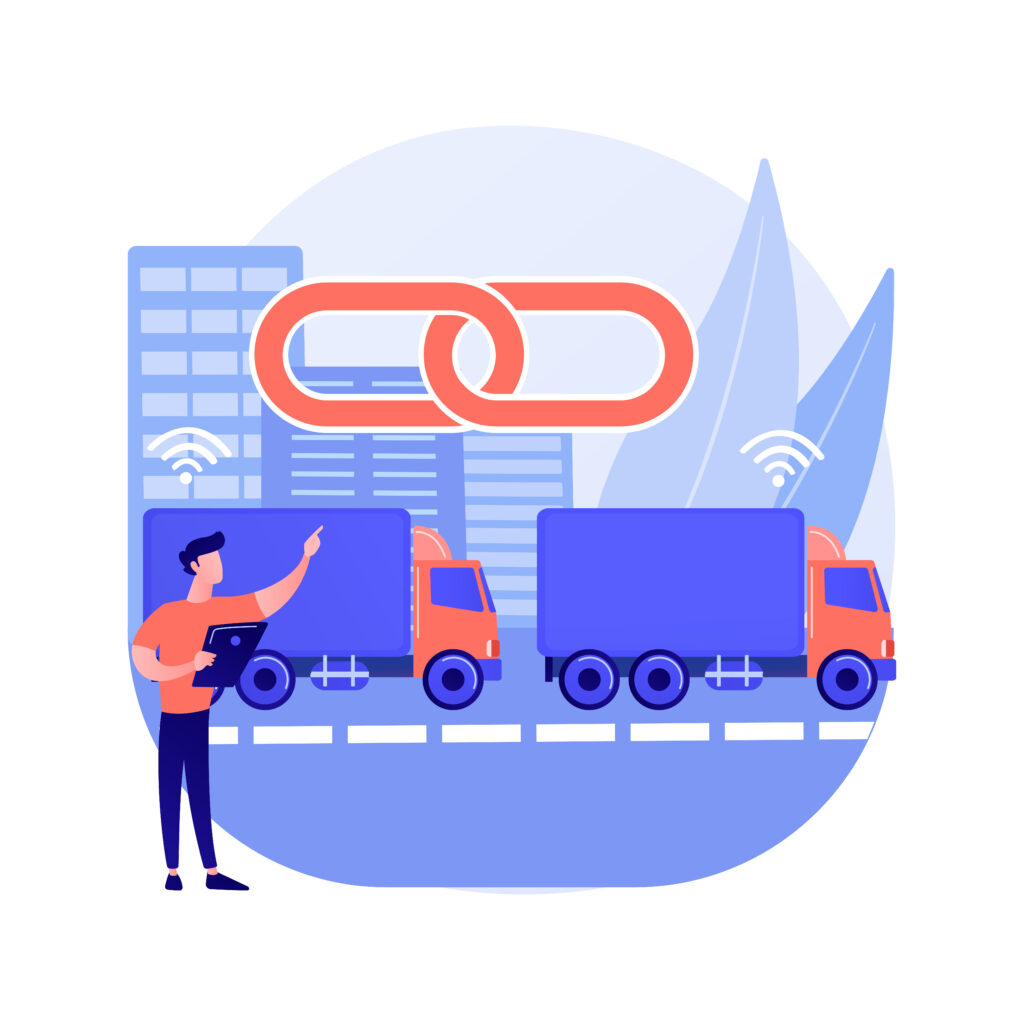
Integrated systems route inventory correctly and provide Walmart with accurate data before shipments arrive. This reduces errors, improves appointment compliance, and minimizes disruptions.
As supply chains evolve, cross-docking continues to benefit from automation, improved routing logic, and predictive scheduling tools.
When Cross-Docking Is the Right Fit
Cross-docking works best for products with steady demand, standardized packaging, and predictable shipping schedules. It is commonly used for consumer goods, packaged products, and replenishment inventory destined for Walmart distribution.
Products requiring long inspections, customization, or slow-moving storage may be better suited for traditional warehousing.
Evaluating product characteristics and volume consistency helps determine whether cross-docking supports operational goals.
Planning a Cross-Docking Strategy for Walmart
Successful cross-docking starts with preparation. Packaging, labeling, and routing should align with Walmart’s inbound requirements before shipments arrive.
Working with experienced logistics partners helps businesses coordinate inbound freight, manage timing, and ensure shipments are Walmart-compliant before reaching distribution centers.
Cross-docking simplifies the path from supplier to Walmart distribution by keeping inventory moving and reducing unnecessary costs. For eCommerce brands and suppliers focused on speed and efficiency, this model supports scalable and reliable Walmart fulfillment.
Plan a faster inbound strategy for Walmart shipments