


Customs bonded warehouses play an important role in international trade by allowing businesses to store imported goods without paying duties or taxes upfront. This model gives importers and exporters greater financial flexibility, improved cash flow and more control over when and how products enter the market.
For companies managing cross-border inventory, bonded warehousing reduces risk while supporting more efficient supply chain planning.
What Is a Customs Bonded Warehouse
A customs bonded warehouse is a secure storage facility authorized by customs authorities where imported goods can be stored under bond. Duties and taxes are deferred until the goods are released for domestic consumption or exported to another country.
This structure allows businesses to hold inventory without immediate financial burden while remaining fully compliant with customs regulations. Bonded warehouses are commonly used for high-value goods, seasonal products and inventory awaiting redistribution.
Financial Advantages for Importers and Exporters
One of the primary benefits of bonded warehousing is improved cash flow. Businesses do not need to pay duties until inventory leaves the bonded facility, allowing capital to remain available for operations, marketing or inventory replenishment.
If goods are re-exported, duties may not apply at all. This is especially valuable for businesses using the United States as a distribution or consolidation point for international markets.
Bonded storage also allows companies to respond to changes in tariff rates. Inventory can remain in storage until conditions are more favorable, helping reduce overall landed costs.
Supporting Supply Chain Flexibility
Bonded warehouses help businesses manage inventory more strategically. Large inbound shipments can be received and stored near ports or transportation hubs, then released gradually based on demand.
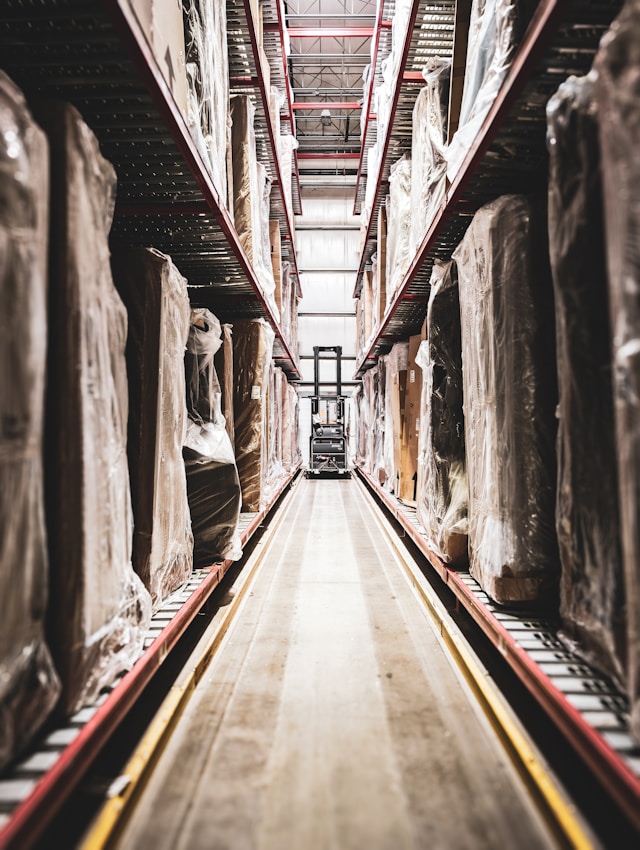
This approach reduces congestion, supports bulk shipping efficiencies and shortens delivery times once goods are cleared for distribution. For businesses operating nationwide, bonded warehouses located near major markets help maintain faster fulfillment without overcommitting inventory.
Compliance and Security Benefits
Customs bonded warehouses operate under strict regulatory oversight. Regular audits and controlled processes help ensure accurate documentation and compliance with customs requirements.
Security standards are typically higher than in standard storage facilities. Controlled access, surveillance systems and monitoring procedures help protect high-value inventory while it remains under customs supervision.
For businesses handling regulated or sensitive goods, bonded storage reduces compliance risk while maintaining operational continuity.
Common Use Cases for Bonded Warehousing
Bonded warehouses are widely used by businesses importing electronics, apparel, consumer goods and regulated products. Seasonal inventory can be stored until peak demand periods without triggering early duty payments.
Companies may also use bonded facilities while awaiting regulatory approvals or coordinating international redistribution. Strategic location near ports, highways or rail hubs further improves transit efficiency and delivery speed.
Why Bonded Warehousing Matters in Global Trade
Customs bonded warehouses are more than storage locations. They provide businesses with financial control, regulatory support and operational flexibility in complex international supply chains.
By deferring duties, protecting inventory and enabling strategic distribution, bonded warehousing helps businesses compete more effectively in global markets.
Optimize Import and Export Operations with Bonded Storage