


In 2026, many businesses face rising warehouse costs, labor shortages, and increasing pressure to deliver orders faster and more accurately. Third-party logistics (3PL) helps companies outsource storage, fulfillment, and shipping to specialized providers, allowing them to operate more efficiently without building their own logistics infrastructure.
For growing eCommerce and retail businesses, 3PL is no longer just a cost-saving option—it is a strategic tool for scalability and operational stability.
What Is 3PL and How It Works
Third-party logistics refers to outsourcing logistics operations to an external provider that manages warehousing, order fulfillment, inventory tracking, and shipping on your behalf. Instead of operating your own warehouse and delivery processes, you rely on an experienced partner with established systems and infrastructure.
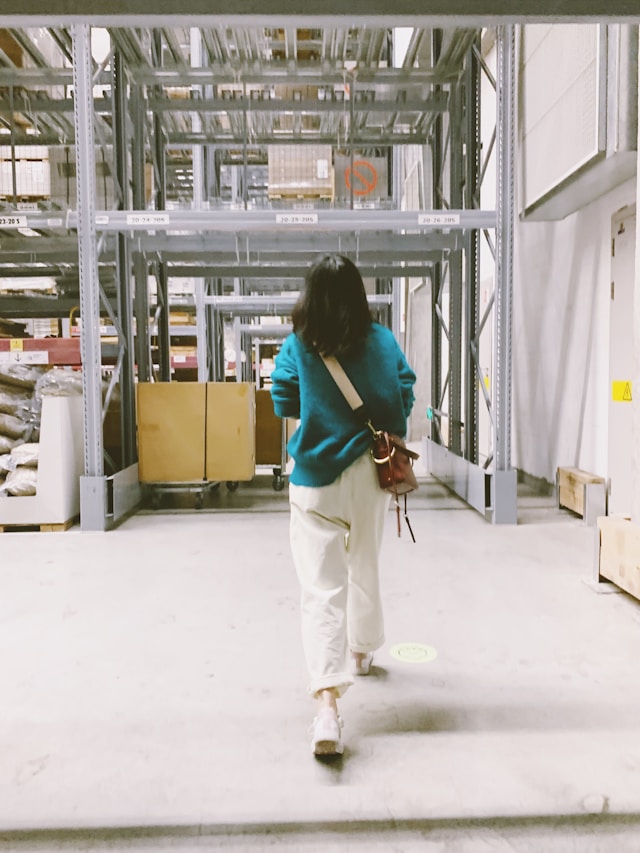
A 3PL typically handles receiving inventory, storage, picking and packing orders, shipping, and returns. Many providers also support labeling, kitting, inspections, and compliance-related tasks. This allows businesses to centralize logistics operations while maintaining visibility and control through integrated systems.
Why Businesses Choose 3PL in 2026
Managing logistics in-house often requires significant investment in facilities, labor, equipment, and software. These costs increase as order volumes grow or fluctuate seasonally.
3PL providers spread operational costs across multiple clients, making advanced logistics infrastructure more accessible. Businesses benefit from optimized shipping routes, negotiated carrier rates, and experienced fulfillment teams without managing these resources directly.
In 2026, flexibility is a key driver. Businesses use 3PL to scale storage and fulfillment capacity up or down without long-term commitments, supporting growth without operational bottlenecks.
Technology Access Without Heavy Investment
Modern 3PL providers invest heavily in warehouse management systems, automation, and real-time tracking tools. By working with a 3PL, businesses gain access to this technology without purchasing or maintaining it themselves.
Integrated platforms provide real-time inventory visibility, order tracking, and performance reporting. Many 3PL systems connect directly with eCommerce platforms such as Shopify, Amazon, and WooCommerce, allowing orders to flow automatically from sales channels to fulfillment centers.
This level of integration reduces manual errors and improves fulfillment speed and accuracy.
How 3PL Supports Faster and More Reliable Fulfillment
Fulfillment performance directly affects customer satisfaction. Delays, stockouts, and shipping errors can damage brand reputation and increase return rates.
3PL providers operate dedicated fulfillment facilities designed for efficiency. Structured processes, trained teams, and optimized layouts support faster order processing and consistent delivery performance. For businesses shipping nationwide, strategically located warehouses help reduce transit times and shipping costs.
Choosing the Right 3PL Partner
Not all 3PL providers are the same. Businesses should look for partners with facilities close to key markets, experience handling similar products, and systems that integrate with existing sales platforms.
Scalability, transparency, and operational support are critical factors. Visiting facilities, reviewing service capabilities, and starting with a limited volume can help ensure a good fit before scaling operations.
Why 3PL Matters for Growth in 2026
As competition increases and customer expectations rise, logistics efficiency becomes a growth enabler rather than a back-office function. 3PL allows businesses to focus on product development, marketing, and customer experience while relying on specialized partners to manage fulfillment.
For many businesses, outsourcing logistics is the difference between controlled growth and operational strain.
Evaluate Whether 3PL Is the Right Next Step for Your Business