

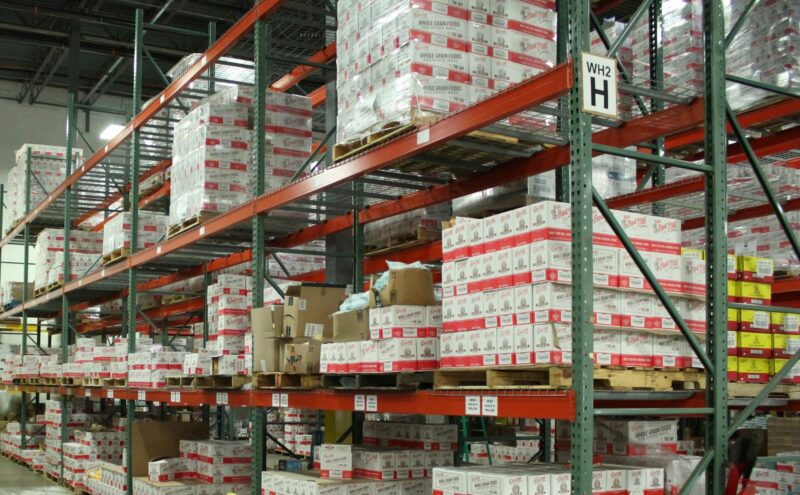
Businesses that work with perishable inventory face constant pressure to prevent spoilage, reduce waste and meet strict quality standards. Food, supplements, cosmetics and other time-sensitive products require controlled storage environments and disciplined handling processes. Without the right storage setup, even small mistakes can lead to product loss, customer complaints and regulatory issues.
Professional warehousing plays a critical role in protecting perishable inventory throughout its storage lifecycle.
Managing Expiration Dates with FEFO
For perishable goods, inventory rotation is not optional. The First Expired, First Out (FEFO) approach ensures that products closest to their expiration dates are shipped first, reducing waste and protecting product quality.
Effective FEFO handling depends on accurate date tracking, clear labeling and organized storage that allows fast access to the right inventory. When these processes are managed correctly, businesses reduce write-offs, maintain accurate inventory data and deliver better customer outcomes.
Warehouses equipped to support FEFO help brands maintain consistent product freshness without adding operational complexity.
Temperature and Humidity Control for Perishable Goods
Temperature and humidity stability are essential for preserving perishable inventory. Even short deviations can accelerate spoilage and compromise product safety.
Modern storage environments use continuous monitoring systems to track conditions in real time and trigger alerts when thresholds are exceeded. This level of control helps protect product integrity and supports compliance with food safety and quality requirements.
For businesses, storing perishable goods in temperature-controlled facilities reduces risk and provides confidence that products remain within approved conditions at all times.
Storage Layout That Protects Product Quality
Proper storage of perishable inventory goes beyond space efficiency. Storage teams store products according to their specific environmental requirements and clearly separate different temperature zones.
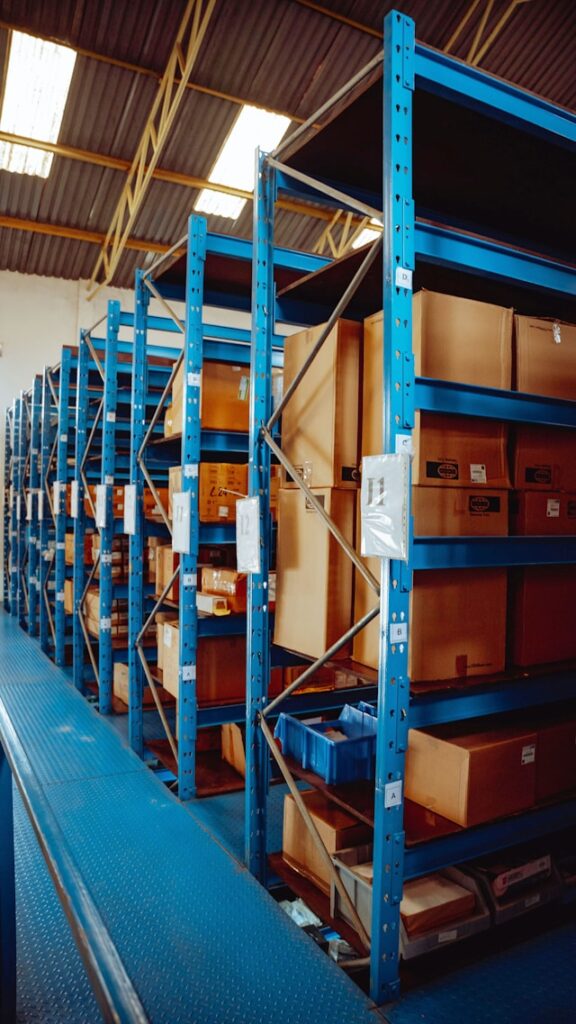
Well-organized layouts support faster handling, reduce exposure during receiving and dispatch and limit the time products spend outside controlled environments. Dedicated receiving and outbound areas help maintain temperature stability during internal movement, which is especially important for food and regulated goods.
A structured storage environment directly supports product safety and operational consistency.
Ongoing Inventory Monitoring and Quality Checks
Routine inventory checks are essential for identifying issues before they affect customers. Regular inspections help catch early signs of spoilage, damage or temperature exposure.
Standardized inspection processes and trained warehouse teams ensure that perishable inventory is handled consistently and according to defined quality standards. This proactive approach reduces the risk of expired or compromised products entering the fulfillment stream.
For brands, reliable inventory monitoring protects reputation and customer trust.
Why Professional Storage Matters for Perishable Inventory
Handling perishable goods requires more than basic warehouse space. It requires controlled environments, disciplined processes and experienced operations teams.
By working with warehouses that specialize in perishable inventory storage, businesses can reduce waste, maintain product quality and scale distribution without increasing operational risk.
Protect Perishable Inventory with Professional Storage Solutions