

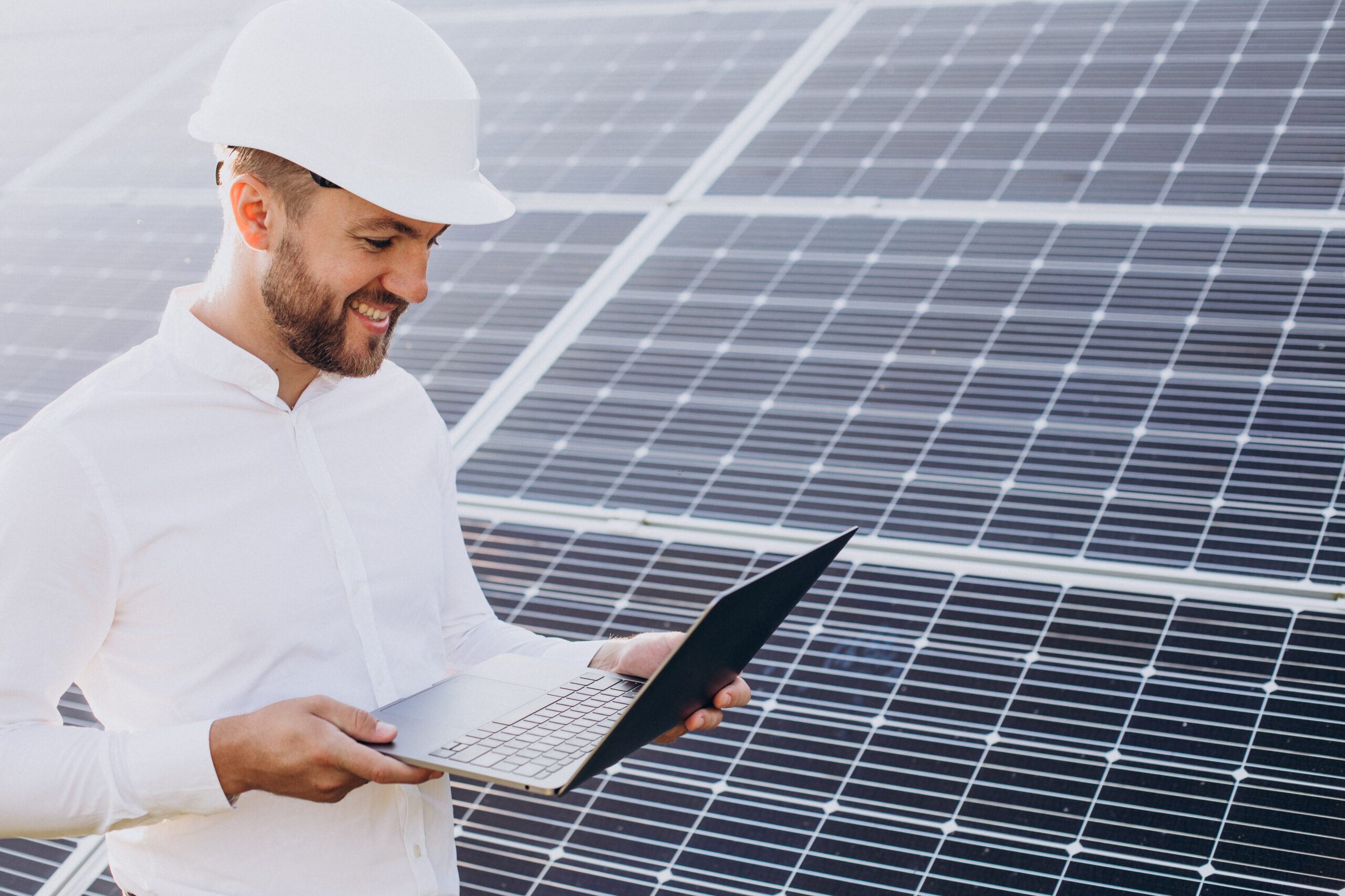
Solar panels and renewable energy equipment require careful storage and handling to prevent damage, performance degradation and delays during fulfillment. These products are often fragile, oversized and sensitive to environmental conditions, which makes standard warehousing insufficient.
For businesses working with a 3PL, proper storage is not a matter of convenience—it is a requirement for maintaining product quality and ensuring reliable downstream distribution.
Storage Requirements for Solar Panels and Energy Equipment
Solar panels, inverters, batteries and related components require stable storage conditions. Temperature fluctuations, excess humidity and improper stacking can lead to material stress, corrosion or electrical damage.
3PL facilities handling renewable energy equipment typically use designated storage zones designed to support oversized and delicate inventory. These areas protect products from unnecessary exposure while allowing safe access for handling and outbound processing.
Environmental Controls and Protection
Renewable energy equipment benefits from controlled storage environments. Climate-stable conditions help preserve structural integrity, electronic components and protective coatings.
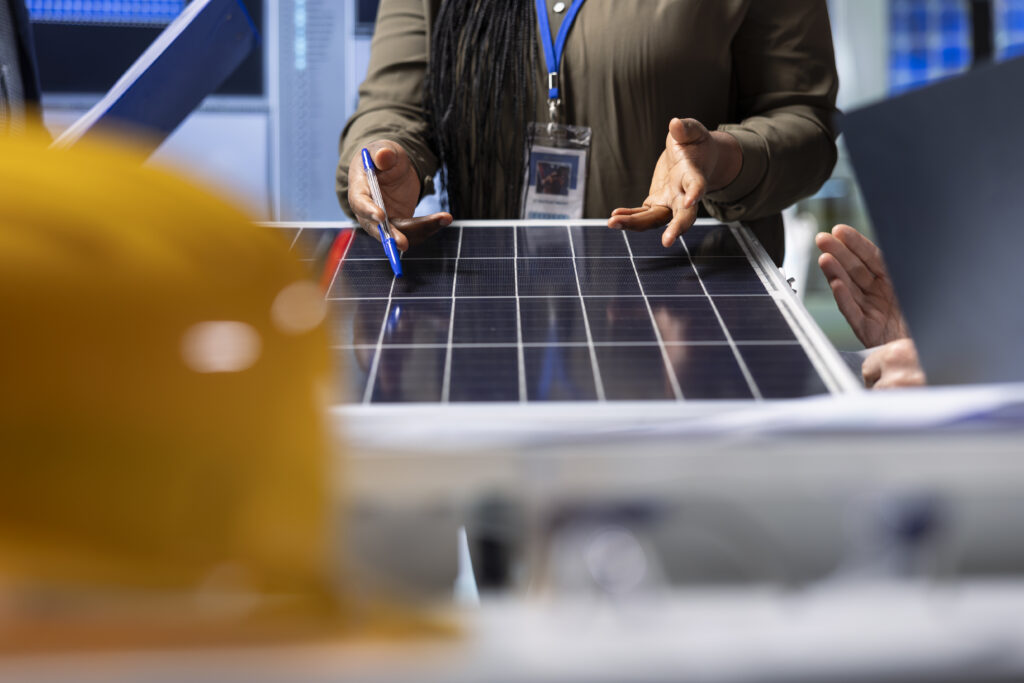
Within a 3PL warehouse, environmental controls focus on maintaining consistent temperature ranges, managing humidity levels and preventing direct exposure to sunlight or moisture. These measures reduce the risk of long-term degradation during storage.
When outdoor or semi-covered storage is required due to product size, equipment is elevated, protected and positioned to minimize environmental impact.
Packaging and Handling Considerations
Proper packaging plays a critical role in protecting solar panels and energy equipment throughout storage and handling. Reinforced packaging, protective materials and secure palletization help prevent damage during movement within the warehouse.
3PL teams follow handling protocols specific to renewable energy products, including restrictions on stacking, lifting methods and placement within storage zones. These processes reduce the risk of breakage and ensure products remain in sellable condition.
Organized Storage for Operational Efficiency
Efficient storage layout supports both safety and fulfillment accuracy. Clearly defined storage zones, labeled inventory locations and structured access paths allow teams to handle large or fragile items without unnecessary repositioning.
Heavier components are stored in appropriate zones to maintain stability, while delicate items such as panels are positioned to avoid pressure or impact. This organization supports faster picking, safer handling and consistent outbound processing.
Monitoring and Quality Assurance
Stored renewable energy equipment is periodically inspected as part of warehouse quality control procedures. These checks help identify potential issues such as packaging damage, moisture exposure or handling wear before products move into fulfillment.
Routine monitoring ensures inventory remains ready for shipment and reduces the risk of downstream issues during delivery or installation.
Why 3PL Storage Matters for Renewable Energy Products
Renewable energy equipment requires storage environments designed to support both physical protection and operational efficiency. Businesses benefit most when storage, handling and fulfillment are managed within a facility already equipped for these requirements.
By working with a 3PL experienced in handling solar panels and energy equipment, brands reduce risk, improve inventory readiness and maintain consistent fulfillment performance as distribution scales.
Solar panels and renewable energy equipment require controlled storage and careful handling to ensure fulfillment operations support these products from day one.
Discuss Solar Equipment Storage