


Warehouse automation plays a key role in how 3PL fulfillment operations scale with accuracy, consistency and operational efficiency. Rising order volumes, tighter delivery expectations and ongoing labor constraints require warehouses to operate with higher accuracy and consistency. For businesses working with a 3PL, automation supports faster processing, improved visibility and more predictable performance.
Modern warehouse automation focuses on improving core operational processes rather than replacing people. Its primary role is to reduce manual friction, standardize workflows and support scalable fulfillment operations.
Warehouse automation continues to play a growing role in improving fulfillment accuracy and operational efficiency across modern supply chains.
How Warehouse Automation Supports 3PL Fulfillment
Automation enhances inventory management by providing real-time visibility across warehouse operations. Barcode scanning, RFID tracking and automated movement systems continuously update inventory status as products move through receiving, storage and fulfillment stages.
These tools integrate directly with Warehouse Management Systems (WMS), allowing teams to maintain accurate inventory records without relying on manual counts. As a result, businesses experience fewer stock discrepancies, improved inventory planning and reduced risk of stockouts or overstocking.
Automation also supports more efficient returns processing by enabling faster sorting, inspection and routing of returned inventory back into appropriate workflows.
Warehouse Automation in Modern Fulfillment Operations
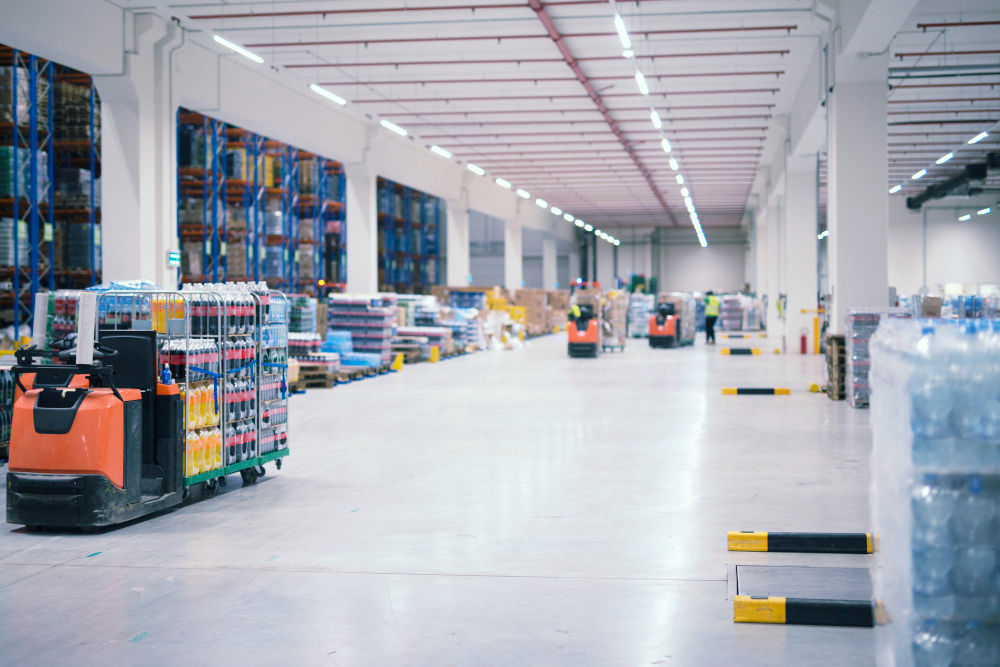
Automated fulfillment solutions improve order processing speed and consistency. Technologies such as pick-to-light systems, goods-to-person workflows and conveyor-assisted picking reduce unnecessary movement and standardize picking paths.
By guiding warehouse teams through optimized workflows, automation significantly reduces picking errors and order exceptions.
This leads to fewer returns, lower rework costs and a more reliable customer experience.
Automation also supports operational flexibility by allowing fulfillment capacity to scale during peak periods without relying solely on additional labor.
Maximizing Warehouse Space Utilization
Automated storage and retrieval systems (AS/RS) enable more efficient use of warehouse space. Vertical storage solutions and high-density storage configurations increase capacity without expanding facility footprints.
By reducing the need for wide aisles and excessive manual equipment, automated systems help warehouses store more inventory within existing space. This supports higher storage density and more efficient inventory placement.
Optimized space utilization contributes directly to cost control and operational scalability.
Enhancing Workplace Safety Through Automation
Automation reduces exposure to repetitive, heavy or high-risk tasks. Automated pallet handling, guided movement systems and robotic assistance help minimize manual lifting and repetitive motion.
By shifting physically demanding tasks away from manual processes, warehouses improve overall safety conditions and reduce injury-related disruptions. This creates a more stable working environment while supporting consistent operational output.
Using Automation to Improve Data and Decision-Making
Automated systems continuously collect operational data as part of daily warehouse activity. This data includes inventory movement, processing times, equipment usage and environmental conditions.
When connected to a WMS, these insights provide a real-time view of warehouse performance. Operations teams use this information to adjust workflows, improve product placement and allocate resources more effectively.
Over time, data-driven adjustments help fulfillment operations become more efficient and resilient.
Operational Perspective
Automation plays a supporting role in modern fulfillment operations by improving accuracy, efficiency and scalability. Rather than replacing human expertise, automation strengthens warehouse processes and allows teams to focus on higher-value operational tasks.
For businesses working with a 3PL, automated systems contribute to more predictable fulfillment outcomes and a smoother path for growth.