

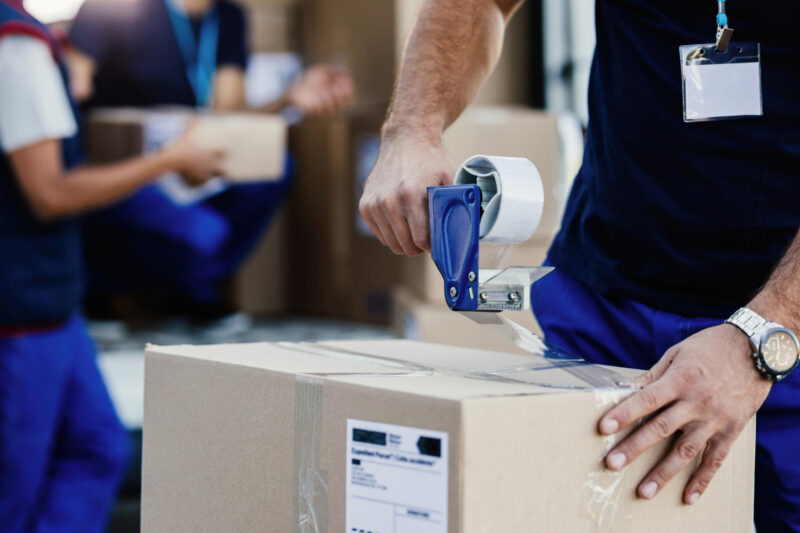
Subscription box businesses rely on predictable shipping cycles, accurate kitting and consistent customer experience. As order volumes grow, in-house fulfillment often becomes difficult to manage. This is where subscription box fulfillment with 3PL services helps brands scale without operational overload.
Riverside, California has become a strategic fulfillment location for subscription brands shipping across the U.S., offering cost efficiency, logistics access and scalable warehouse infrastructure.
Why Subscription Brands Use 3PL Fulfillment
Subscription fulfillment is different from standard eCommerce shipping. Monthly box cycles, changing product assortments, personalization and strict delivery timelines require specialized processes.
Third-party logistics providers (3PLs) support subscription brands by handling:
- inventory storage and rotation
- recurring kitting and assembly
- subscription-based order processing
- outbound shipping at scale
- returns and replacements
By outsourcing these operations, subscription brands reduce fulfillment errors, avoid staffing spikes and maintain consistent delivery schedules.
Why Riverside Works for Subscription Box Fulfillment
Riverside’s location supports nationwide subscription shipping without the cost pressure of coastal warehouse markets.
Warehouses in Riverside sit close to major ports, highways and carrier hubs, allowing subscription boxes to reach the West Coast quickly and ship efficiently to central and eastern regions.
Compared to Los Angeles or Orange County, Riverside offers significantly lower warehouse lease costs and greater availability of scalable space. This is especially valuable for subscription brands that experience growth spurts or seasonal volume changes.
The local workforce is experienced in logistics and warehouse operations, supporting high-accuracy kitting and fulfillment without the labor shortages common in tighter markets.
Core 3PL Features for Subscription Box Fulfillment
Subscription-focused 3PL providers offer systems and workflows designed for recurring shipments.

Inventory management systems track expiration dates, lot numbers and product rotation, helping brands avoid spoilage or stock imbalances. Forecasting tools align inventory levels with subscriber growth and churn patterns.
Dedicated kitting areas support complex box builds, including multiple SKUs, custom inserts and tiered subscription options. This allows brands to maintain consistent presentation across standard, premium and limited-edition boxes.
Quality control checkpoints reduce packing errors, which is critical for subscription retention and brand trust.
Subscription Fulfillment Pricing Models
3PL subscription fulfillment pricing typically follows one of two models:
- per-box fulfillment pricing
- storage-based pricing with handling fees
Per-box pricing often ranges between $2.50 and $5.00 per shipment, excluding postage. Storage pricing varies based on pallet or bin usage.
As subscription volumes increase, fulfillment costs usually decrease through volume-based pricing tiers. Brands shipping hundreds or thousands of boxes per cycle benefit from improved unit economics.
Optional services such as custom packaging, branded inserts or special handling may incur additional fees and should be evaluated based on customer retention impact.
Technology Integration for Subscription Management
Modern 3PLs integrate directly with leading subscription platforms such as ReCharge, Cratejoy and Shopify subscriptions.
System integrations synchronize:
- active subscribers
- billing cycles
- inventory levels
- order variations
Live dashboards provide visibility into fulfillment status and stock levels. Automated alerts notify teams when inventory reaches reorder thresholds based on lead times and forecasted demand.
This integration supports personalized shipments, milestone boxes and one-off campaigns without manual intervention.
How to Choose the Right 3PL for Subscription Fulfillment
Not all warehouses are suited for subscription operations. Brands should evaluate 3PL partners based on experience with recurring fulfillment models.
Key evaluation points include:
- ability to handle peak shipping windows
- accuracy guarantees and SLA commitments
- experience with similar subscription volumes
- flexibility to scale without penalty fees
Visiting the facility or reviewing detailed process documentation helps assess operational maturity. Subscription customers expect reliability and fulfillment errors directly impact churn.
Planning Long-Term Subscription Growth
Subscription fulfillment success depends on predictable operations and scalable infrastructure. Using a 3PL allows brands to focus on product development, marketing and customer engagement instead of warehouse logistics.
A well-structured fulfillment strategy supports consistent delivery performance, cost control and subscriber satisfaction as the business grows.
Review 3PL Options for Subscription Box Shipping