


In a 3PL fulfillment model, warehouse pricing reflects how teams store, handle and process inventory during daily operations. Understanding how warehouse pricing works helps brands forecast expenses accurately, avoid unexpected charges and identify opportunities to optimize fulfillment spend as volumes grow.
What Impacts Warehouse Pricing in 3PL Fulfillment
In a 3PL environment, providers typically price storage based on space usage rather than traditional rental agreements. For example, 3PLs calculate charges by pallet position, bin, shelf location or cubic footage, depending on how they store inventory.
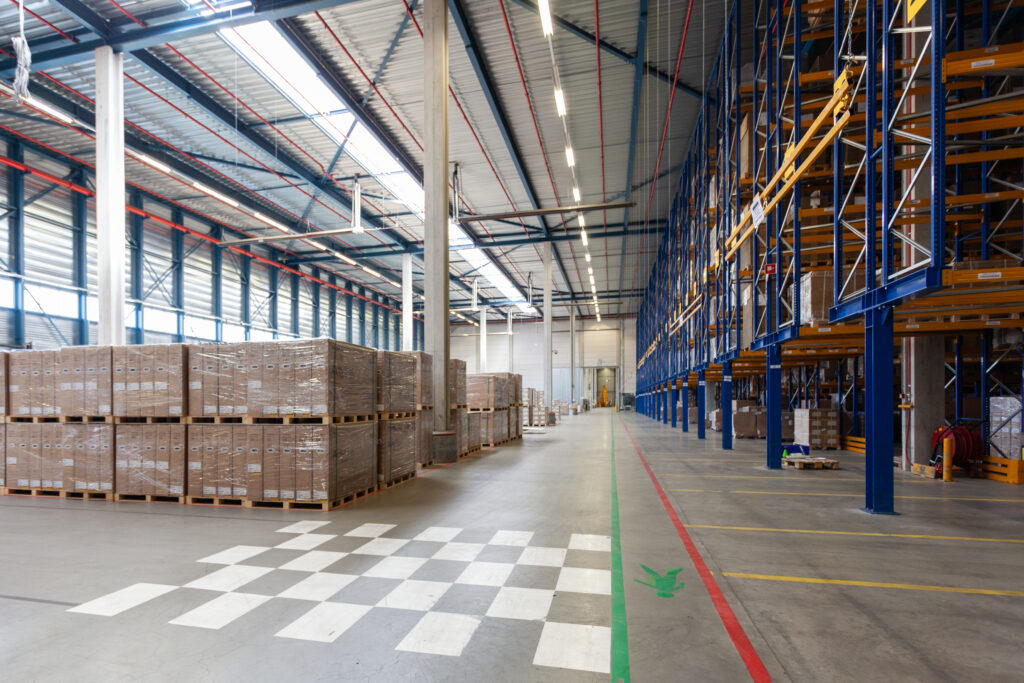
Several factors influence storage costs, including how much space inventory occupies, how long products remain in storage and whether operations require special conditions such as temperature control, segregation or compliance.
Efficient inventory turnover reduces storage fees and keeps fulfillment costs predictable.
Handling and Operational Fees
Beyond storage, a significant portion of warehouse pricing comes from handling activities. These include receiving inventory, unloading containers, palletizing, labeling and preparing goods for storage.
Operational charges reflect the labor and equipment required to move inventory through the facility. Over time, complex or labor-intensive handling steps increase costs, while standardized processes help keep fees under control. Clear definitions of included services and billable activities are essential for understanding monthly fulfillment spend.
Industry analysis shows that fulfillment pricing is influenced by storage utilization, labor requirements and inventory flow.
Labor-Driven Fulfillment Costs
Labor plays a major role in fulfillment pricing. Picking, packing, kitting, inspection and returns processing all require trained staff and operational oversight.
Fulfillment costs vary based on:
- order volume fluctuations
- order complexity
- SKU variety
- packaging requirements

Well-structured workflows and consistent order profiles help reduce labor variability and support more stable pricing.
Technology and Systems Usage
Many 3PL providers include technology access as part of their pricing model. Warehouse Management Systems (WMS), inventory visibility tools and reporting dashboards support operational accuracy and transparency.
Technology reduces manual effort, minimizes errors and improves order processing speed. In practice, 3PLs may bundle system usage into their pricing or bill it separately. In either case, these systems often improve efficiency and help reduce overall fulfillment costs.
Additional and Variable Charges
Some warehouse costs depend on usage patterns rather than fixed fees.
These may include:
- inbound and outbound surcharges
- special handling requests
- peak-period volume adjustments
- extended storage duration
Understanding how and when these charges apply helps businesses avoid surprises and plan fulfillment budgets more effectively.
Where Cost Savings Come From
Сost savings in fulfillment are typically driven by:
- faster inventory turnover
- optimized storage methods
- standardized handling processes
- predictable order volumes
Ultimately, when inventory flows smoothly and teams reduce operational complexity, fulfillment costs become more manageable and scalable.
Cost Structure Overview
Warehouse pricing reflects how teams move inventory through a fulfillment operation, not just where they store it. By understanding the components of 3PL pricing—storage, handling, labor and operational services—businesses gain better control over fulfillment spend and can identify meaningful opportunities for optimization.
Learn how a structured warehouse operation supports predictable pricing and operational efficiency.