


For eCommerce brands, warehouse space is directly tied to cost, fulfillment speed and scalability. Inefficient use of space often results in higher storage fees, slower order processing and limited ability to grow during peak seasons.
Warehouse space optimization focuses on how inventory is stored and managed so businesses can store more products efficiently, without paying for unnecessary square footage or experiencing operational delays.
Why Warehouse Space Efficiency Matters for eCommerce
When inventory takes up more space than necessary, storage costs increase quickly. For eCommerce sellers, this often means higher monthly warehouse fees, restricted inbound shipments or forced inventory limits during high-demand periods.
Optimized warehouse layouts allow more inventory to be stored within the same footprint. For businesses, this translates into better cost control, fewer storage-related bottlenecks and smoother scaling during promotions or seasonal spikes.
Using Vertical Space to Reduce Storage Costs
Warehouses that use vertical space efficiently can store significantly more inventory without expanding floor area. For eCommerce businesses, this often means lower cost per pallet or per unit stored.
When inventory is stored vertically rather than spread across the floor, warehouses can handle larger volumes without increasing storage rates proportionally. This is especially valuable for brands with growing SKUs or bulk inbound shipments.
How Aisle Layout Impacts Fulfillment Speed
Warehouse aisle configuration affects how quickly orders are picked and shipped. Well-optimized layouts reduce congestion and unnecessary movement, helping fulfillment teams process orders faster.
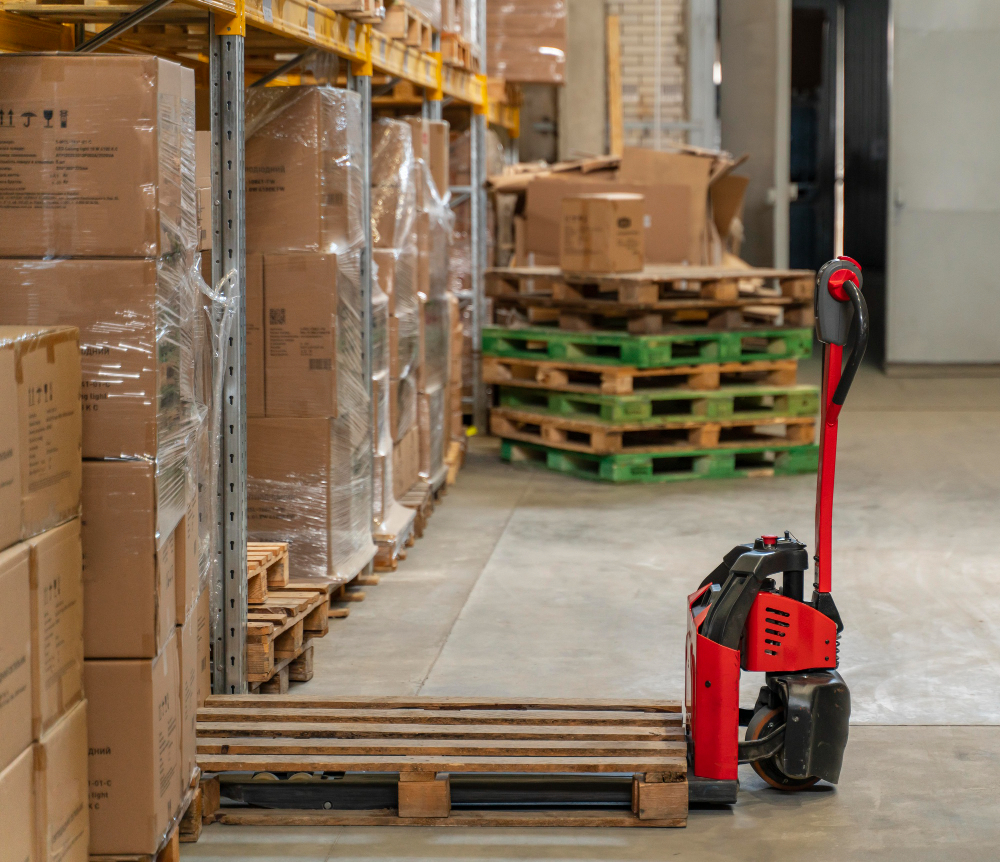
For eCommerce businesses, this results in shorter order processing times, more consistent shipping performance and fewer delays during peak sales periods. Efficient layouts also reduce the risk of handling errors that lead to mis-shipments or returns.
High-Density Storage for Bulk and Slow-Moving Inventory
Not all inventory needs the same level of accessibility. Products with lower turnover or bulk inventory can be stored more densely, freeing up prime warehouse space for fast-moving SKUs.
This approach helps businesses prioritize fulfillment efficiency for best-selling products while keeping reserve inventory stored securely and cost-effectively. High-density storage supports better inventory balance without impacting day-to-day order fulfillment.
Supporting Fast-Moving Inventory with Flexible Storage
For products with high sales velocity, storage methods that support quick access are critical. Optimized storage layouts reduce picking time and help warehouses keep up with order volume increases.
For eCommerce brands, this directly affects customer experience. Faster picking leads to quicker dispatch, better delivery performance and stronger marketplace metrics.
How Technology Improves Space Efficiency
Warehouse management systems help allocate space based on inventory movement and demand patterns. This ensures that frequently sold items are positioned for faster access, while slower inventory is stored efficiently.
For businesses, this means better inventory visibility, fewer fulfillment disruptions and improved ability to plan restocking and promotions without running into space constraints.
Turning Space Optimization into Business Growth
Warehouse space optimization is not about fitting more inventory at any cost. It is about storing products in a way that supports sales growth, controls storage expenses and maintains reliable fulfillment.
For eCommerce businesses, working with warehouses that prioritize efficient space usage helps reduce costs, improve scalability and support consistent customer delivery expectations.
Plan Inventory Storage for eCommerce Growth