

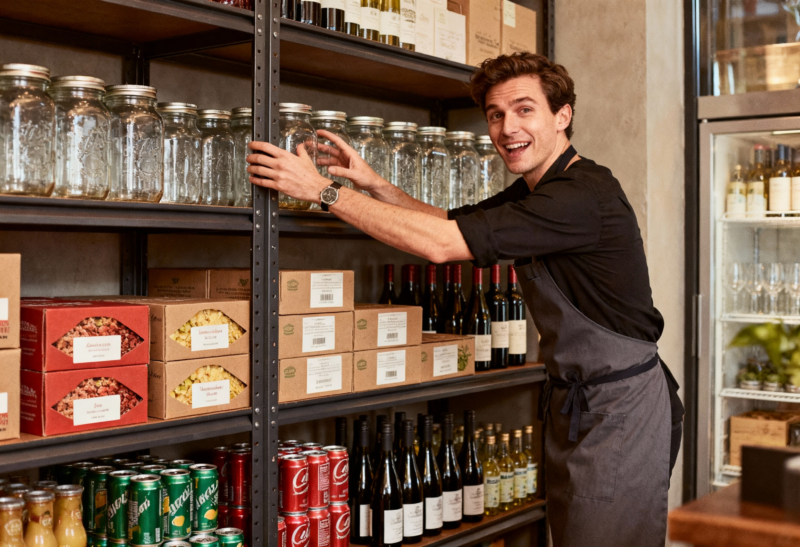
Proper food and beverage storage directly affects product quality, regulatory compliance and customer trust. For hospitality operators, DTC food brands and beverage companies, storage errors quickly translate into spoilage, write-offs and reputational risk. A professional warehousing setup helps protect inventory, reduce waste and keep operations predictable as volumes grow.
Temperature Control as the Foundation of Food Storage
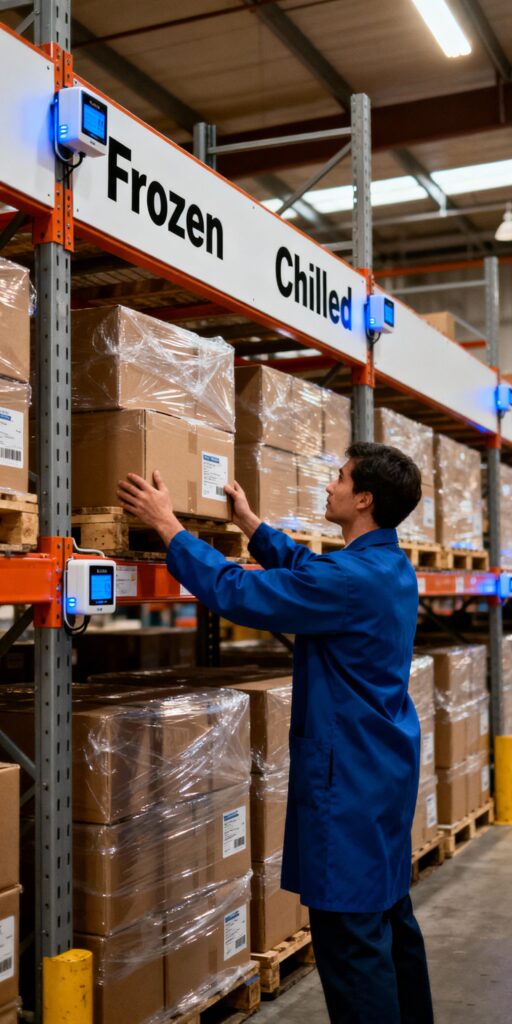
Different food and beverage products require precise temperature ranges to maintain safety and quality. Frozen items, refrigerated goods and shelf-stable products must remain within clearly defined limits throughout storage and handling.
Exposure to the temperature danger zone (40°F–140°F) increases bacterial growth and raises the risk of spoilage and foodborne illness. Even short deviations can lead to product loss or compliance issues.
Professional food-grade warehouses use continuous temperature monitoring, calibrated sensors and documented logs to ensure stable conditions. These systems allow brands to maintain consistent quality while meeting FDA, state and local food safety requirements.
Clean Storage Environments Reduce Risk and Waste
Sanitation plays a critical role in food and beverage storage. Clean facilities prevent cross-contamination, extend shelf life and support regulatory compliance.
Well-managed warehouses follow structured cleaning schedules for storage areas, racking, floors and equipment. Pest prevention programs, sealed storage zones and controlled access further protect inventory.
For brands, this translates into fewer rejected shipments, lower insurance risk and confidence that products remain market-ready at all times.
Inventory Rotation Protects Shelf Life and Margins
First-In, First-Out (FIFO) inventory rotation helps ensure older stock ships before newer product. This approach reduces expiration-related losses and improves order accuracy.
Clear date labeling, batch tracking and organized storage layouts allow warehouse teams to rotate inventory efficiently without slowing fulfillment. For growing brands, FIFO discipline becomes especially important as SKUs, lot numbers and order volumes increase.
Organized Storage Supports Faster Fulfillment
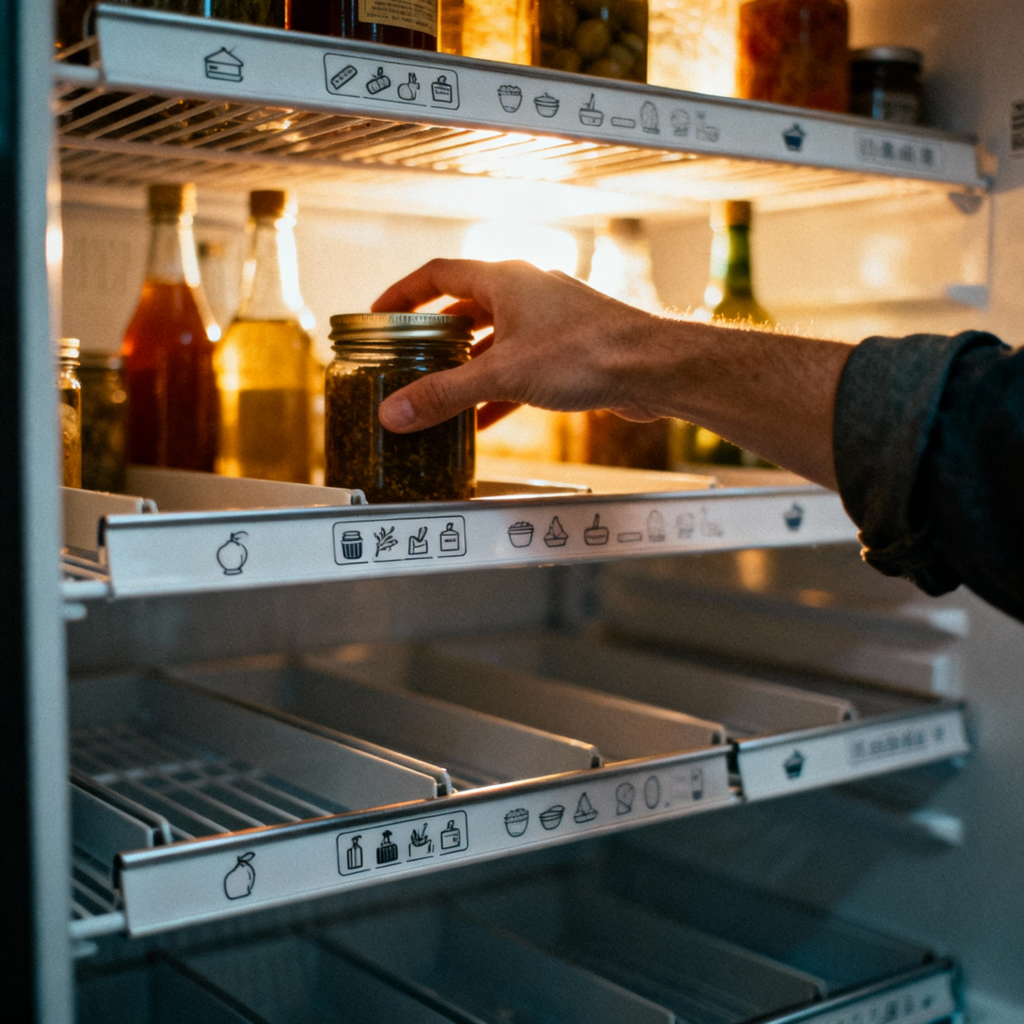
Clear labeling and structured storage layouts improve pick accuracy and reduce handling time. When products are grouped by category, temperature zone or lot number, warehouse teams can process orders quickly without errors.
Efficient organization also supports scalability. As order volumes rise, structured storage prevents congestion and maintains consistent service levels during peak periods.
Trained Warehouse Teams Maintain Standards
Storage systems only work when staff follow them consistently. Experienced warehouse teams understand food safety protocols, temperature handling, sanitation requirements and documentation standards.
Regular training and standardized procedures ensure compliance is maintained even as inventory turns faster or volumes fluctuate. For brands, this reduces operational risk without adding internal management overhead.
Why Specialized Food and Beverage Warehousing Matters
Standard storage is often not designed for food-grade requirements. Dedicated food and beverage warehousing provides:
- Controlled temperature zones
- Sanitation and pest management protocols
- FIFO and lot tracking
- Compliance-ready documentation
- Scalable storage and fulfillment support
This allows hospitality and eCommerce brands to focus on growth while protecting product quality.
Protect product quality with compliant food and beverage warehousing.