

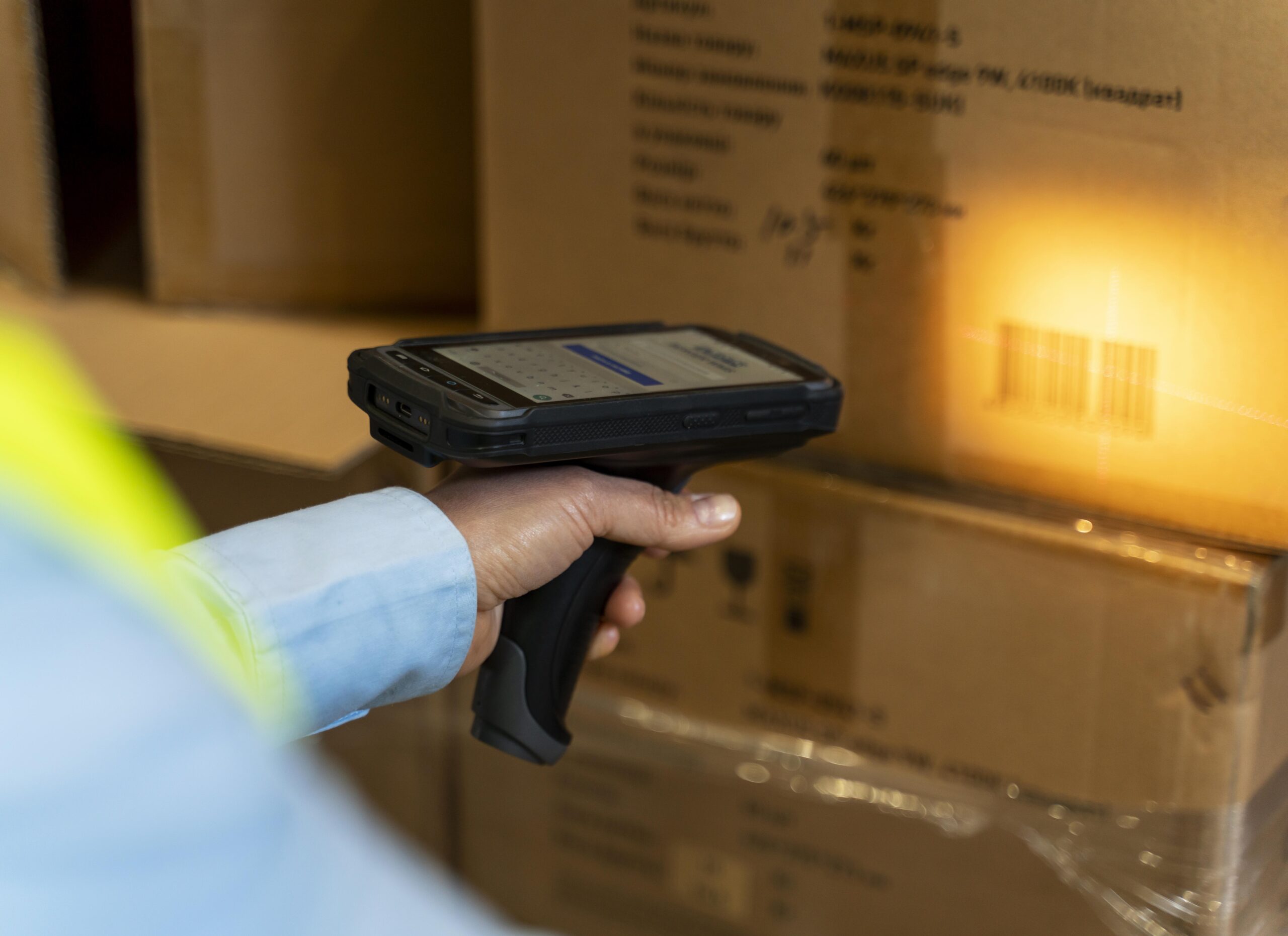
Accurate product labeling is a core requirement in modern eCommerce fulfillment. As brands scale across marketplaces, warehouses and sales channels, clear labeling systems help maintain inventory accuracy, prevent processing delays and support smooth order fulfillment.
Understanding the differences between FNSKU, UPC and SKU labeling allows businesses to choose the right approach for each channel and build a labeling strategy that supports growth rather than slows it down.
FNSKU Labels: Amazon’s Seller-Specific Identification System
An FNSKU (Fulfillment Network Stock Keeping Unit) is Amazon’s internal product identifier used within its fulfillment network. Each FNSKU links an individual product unit to a specific seller account, allowing Amazon to track ownership throughout storage, picking and shipping.
Unlike universal barcodes, FNSKU labels are seller-specific. Amazon requires them on most FBA-bound inventory to ensure accurate allocation and prevent inventory commingling between sellers. For this reason, many brands rely on Amazon prep services in Riverside, CA to apply FNSKU labels correctly and consistently at scale.
Proper FNSKU labeling supports automated warehouse systems, reduces processing exceptions and helps inventory move efficiently through Amazon’s fulfillment centers.
UPC Codes: Universal Product Identification
UPC (Universal Product Code) labels are standardized 12-digit barcodes used across retail, wholesale and eCommerce environments. Managed by GS1, UPCs provide a globally recognized method for identifying products regardless of where they are sold.
UPC codes are essential for:
- point-of-sale systems
- retail inventory tracking
- multi-channel sales reporting
Because UPCs remain consistent across platforms, they are a foundational requirement for brands selling through retail stores, online marketplaces and direct-to-consumer channels.
SKU Labels: Internal Inventory Organization
SKUs (Stock Keeping Units) are internal identifiers created by businesses to manage and organize their own inventory. Unlike UPCs or FNSKUs, SKU structures are fully customizable and designed around operational needs.
A well-designed SKU system often includes attributes such as product type, size, color or packaging configuration. This structure helps warehouse teams identify products faster, reduces picking errors and improves overall inventory visibility during daily operations. As a result, inventory handling becomes more consistent and predictable.
Effective SKU management supports faster order processing, more accurate stock counts and smoother day-to-day warehouse operations.
Choosing the Right Labeling Strategy
Each labeling system serves a specific role within the supply chain:
- FNSKU labels support Amazon FBA fulfillment
- UPC codes enable universal retail and marketplace sales
- SKUs provide internal operational control
Most fulfillment operations use all three systems together. Amazon prep services in Riverside, CA often apply multiple label types to the same inventory, allowing brands to sell across Amazon, retail distribution and their own eCommerce platforms without relabeling products.
FNSKU labels connect inventory to Amazon sellers, UPC codes provide universal product identification and SKUs organize internal warehouse operations. When applied correctly, these systems work together to support accurate, scalable and efficient fulfillment.
A clear labeling strategy reduces processing friction, improves inventory accuracy and helps products move smoothly across every sales channel.
Need help setting up compliant FNSKU, UPC, and SKU labeling?
Our team can support your labeling and prep requirements as part of your fulfillment workflow.