

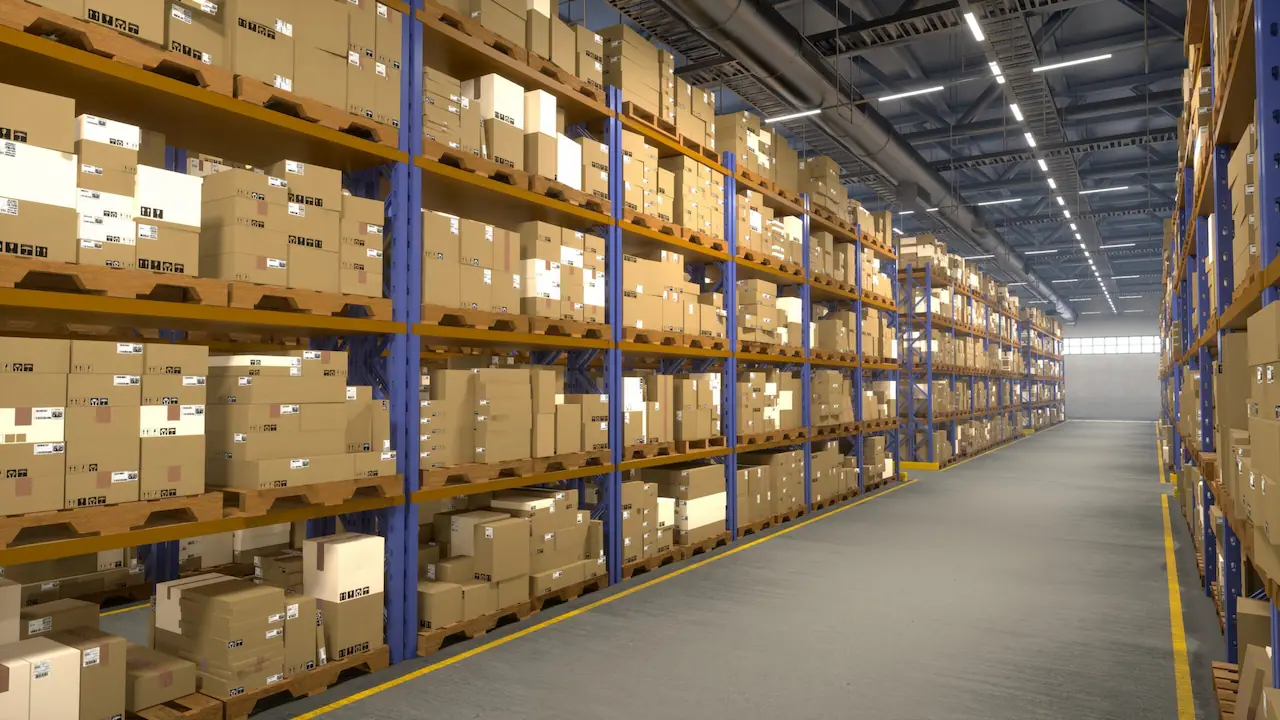
Bonded warehouses play an important role in simplifying import and export operations for businesses engaged in international trade. These facilities allow goods to be stored under customs control, helping companies manage duties, improve cash flow and reduce operational friction when moving products across borders.
By using bonded warehousing strategically, businesses can maintain flexibility while keeping inventory secure and compliant with customs requirements.
Cost Efficiency for Import and Export Operations
One of the primary advantages of bonded warehouses is the ability to defer customs duties and taxes. Instead of paying duties immediately upon import, businesses can store goods in a bonded facility and delay payment until the products enter the domestic market. This approach supports better cash flow management and allows capital to be allocated to other operational needs.
For goods that are re-exported, duties may be reduced or avoided altogether, depending on applicable customs programs. This can significantly lower overall landed costs for businesses operating in international supply chains.
Bonded warehouses also reduce the need for frequent port movements. Consolidating inventory in a secure bonded location helps limit transportation expenses and can lead to more favorable insurance terms due to the enhanced security standards typically required for bonded facilities.
Simplifying Customs Compliance
Customs compliance is a critical aspect of import and export operations. Bonded warehouses operate under strict oversight and established procedures aligned with U.S. Customs and Border Protection requirements.
These facilities are designed to support accurate documentation, controlled inventory movement and proper handling of bonded goods. By storing inventory in a bonded environment, businesses reduce the risk of documentation errors, delays or penalties that can disrupt supply chains.
Well-managed bonded storage helps ensure that goods move through customs processes smoothly and predictably.
Improved Inventory Visibility and Control
Bonded warehouses often operate with structured inventory management systems that provide visibility into stock levels, locations and movement status. This level of control is especially valuable for businesses handling imported goods that may remain in storage for extended periods.

In addition to storage, bonded facilities may support value-added activities such as labeling, repackaging or preparation for different markets, provided these services comply with customs regulations. This allows businesses to adapt inventory for distribution without removing goods from bonded status prematurely.
Security and Risk Management
Security standards in bonded warehouses are typically higher than in general storage facilities. Controlled access, monitoring systems and compliance-driven processes help protect goods from theft, damage or unauthorized handling.
For businesses managing high-value or regulated imports, this level of security supports both risk reduction and operational confidence. Knowing that inventory is stored in a controlled, monitored environment helps safeguard assets throughout the import or export process.
Flexibility in Supply Chain Planning
Bonded warehouses offer flexibility when market conditions change. Businesses can hold goods while monitoring demand, pricing or distribution timing, releasing inventory only when conditions align with commercial objectives.
Because bonded facilities are often located near ports, airports and major transportation hubs, they also support faster downstream distribution once goods are cleared for entry. This strategic positioning helps businesses respond quickly to customer demand without compromising compliance.
Supporting Efficient Global Trade Operations
Bonded warehousing supports smoother import and export workflows by combining duty management, compliance oversight, secure storage and flexible inventory handling. For businesses engaged in international trade, this model helps reduce complexity while maintaining control over costs and inventory movement.
Learn How Bonded Warehouses Support Import and Export Operations
- Kitting and Bundling: A Guide for Ecommerce Brands
- Cubic Feet vs Pallet Pricing: Which Is Cheaper for Your Inventory?
- How to Calculate Cubic Feet for Warehouse Storage
- FedEx, DHL Express, UPS and USPS 2027 Rate Increases: What Ecommerce Sellers Need to Know
- The Role of the Amazon Transparency Program in Product Authenticity